
La Salle des Plantes (The Plant Room)
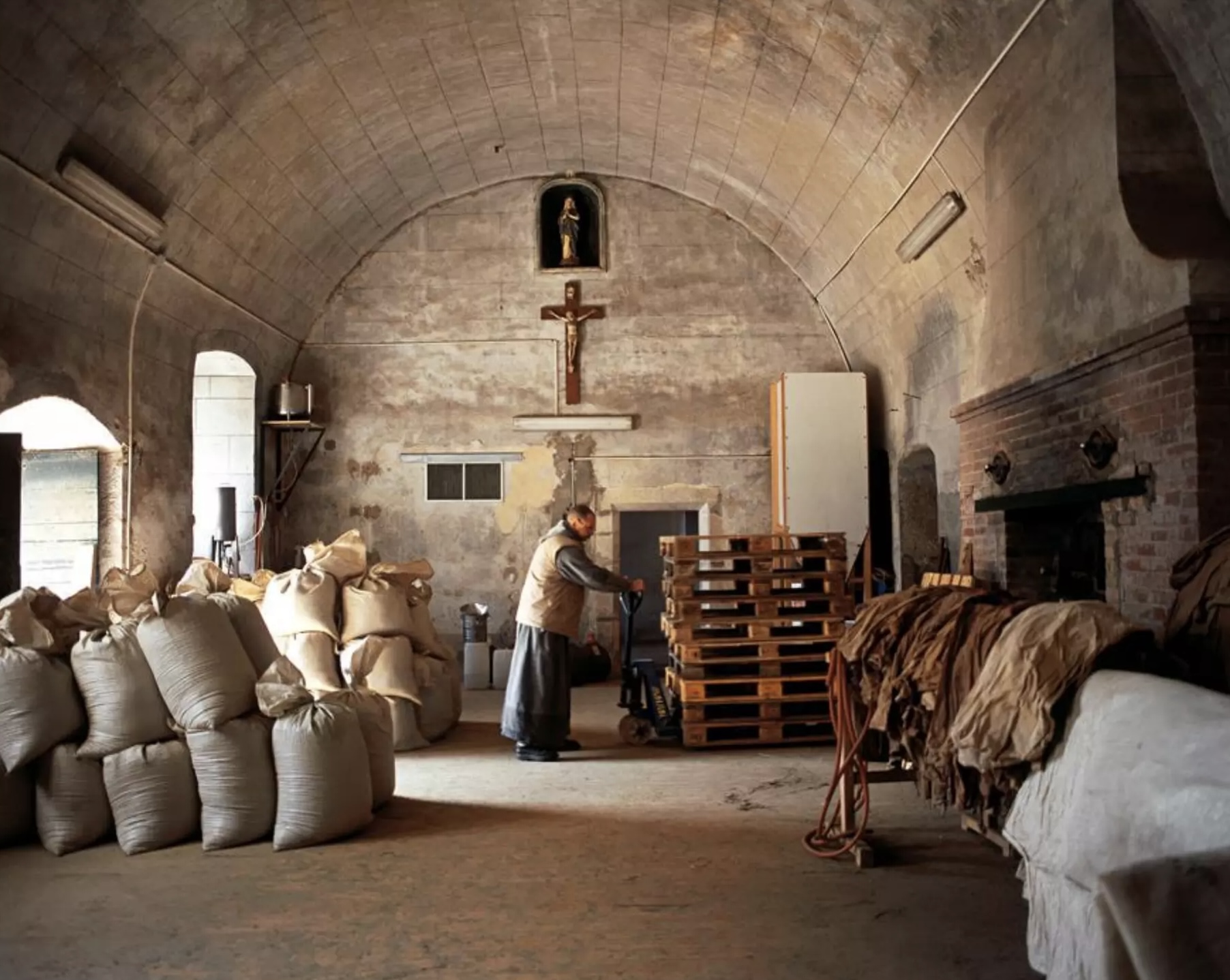
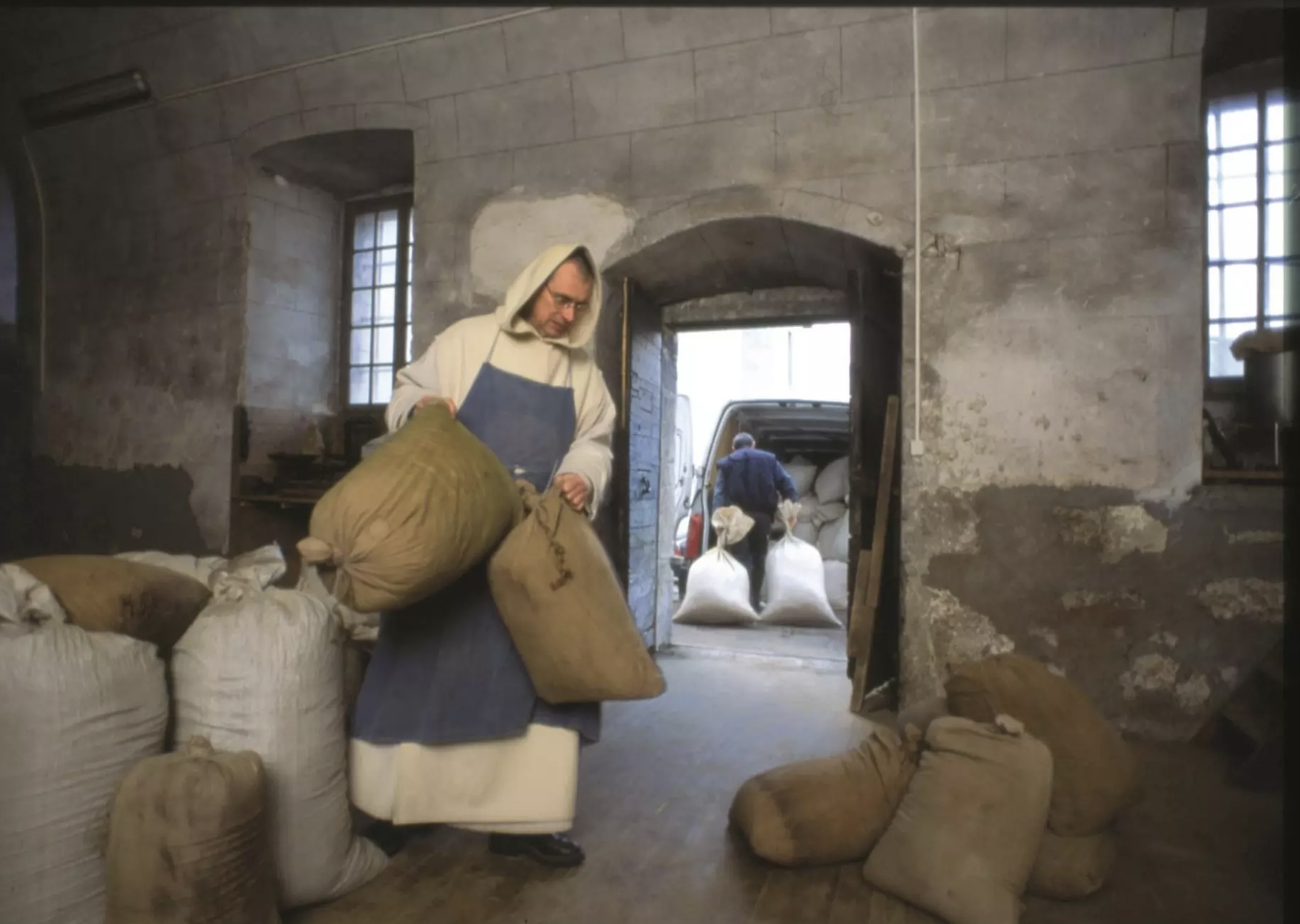
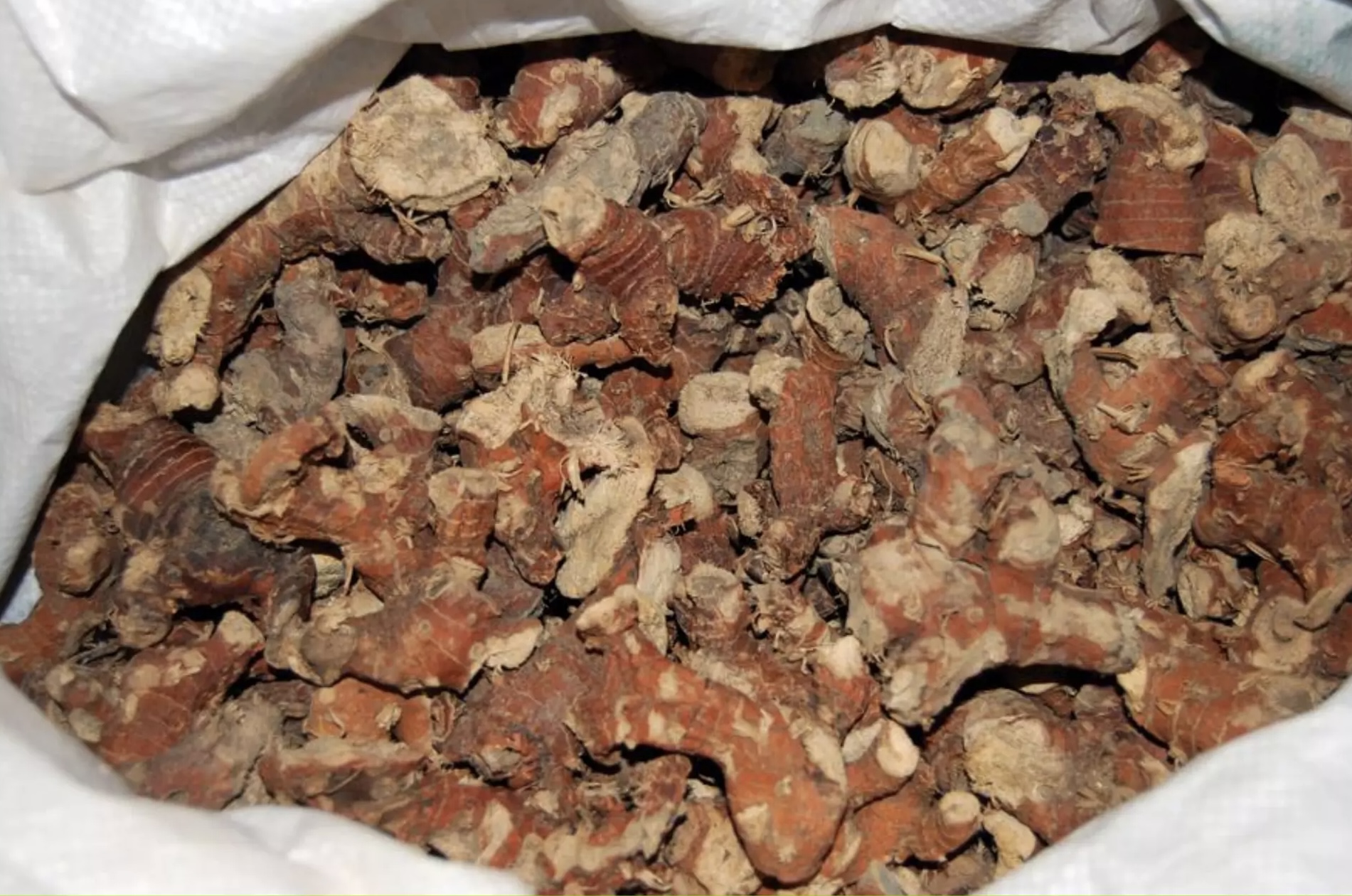
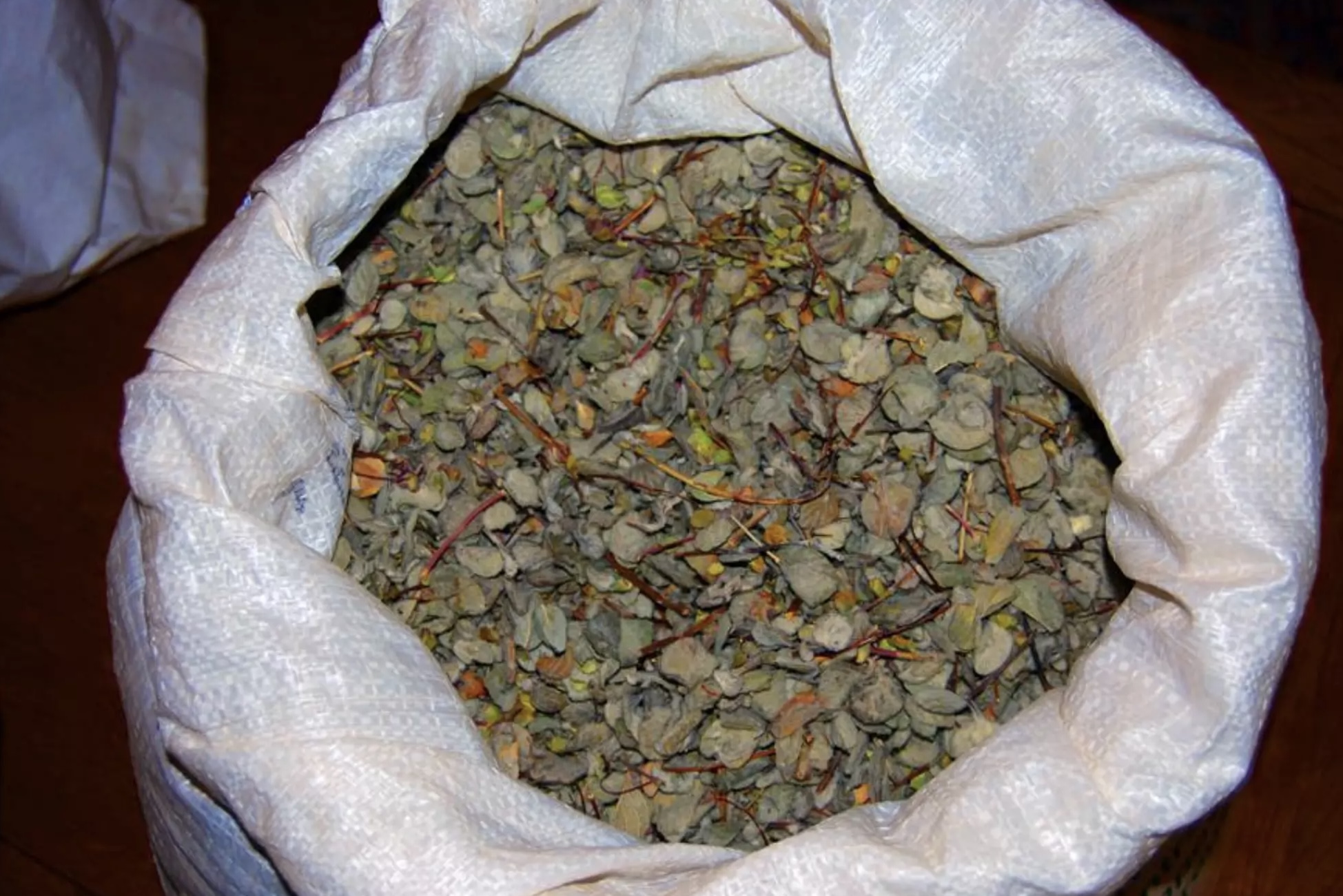
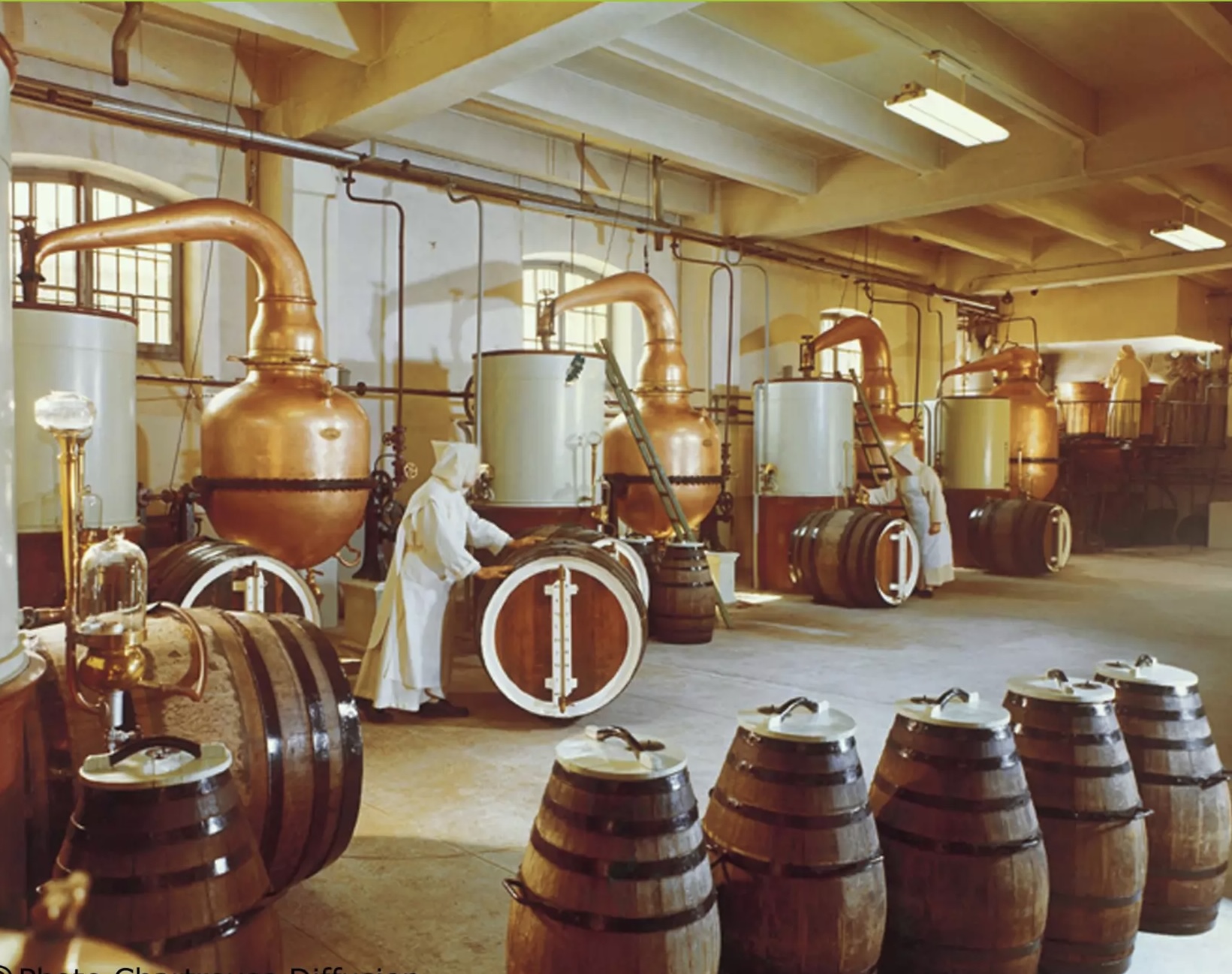
The former bakery of the Monastery, nowadays nicknamed “plant room” the Carthusian fathers sort, grind, weigh and mix the plants of Chartreuse. 130 botanicals go into the production of Chartreuse, 30% come from Italy, Switzerland and France, the remainder 70% come from other countries. 1.2 tons of botanicals are macerated in 42,000 liters of base spirit. The Green Chartreuse is macerated for a total of 6 weeks in a beetroot base spirit while the yellow undergoes 2-3 weeks of maceration in a grape based spirit. It is only after several years of aging in uncharred French oak casks (in the world’s largest liqueur cellar) that the monks decide when the liqueur is ready for bottling.
History of the Grande Chartreuse
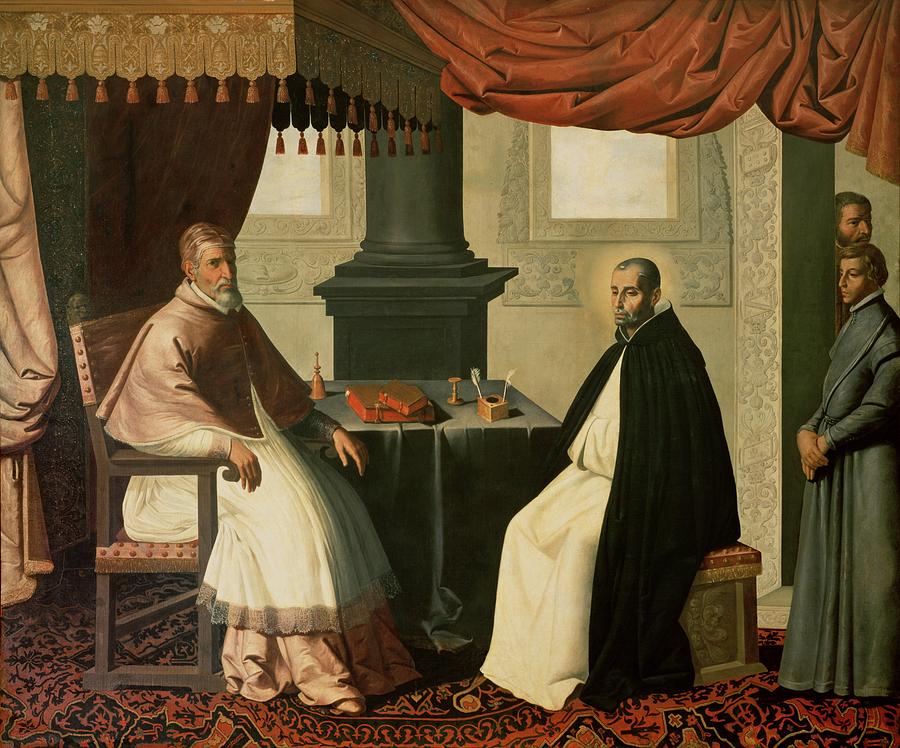
Bruno was born in Cologne in 1030 and belonged to the family of Hardebüst. He studied theology in the city of Reims, Champagne-Ardennes, France. In 1057 he became the head of the Episcopal school and led it for eighteen years. He was well regarded with a great reputation as a philosopher and theologian. Eudes of Châtillon (also known as Odo of Châtillon) was among his students who later became Pope Urban II. Around 1083, he gave all his wealth to the poor and sets out to live a semi-eremitic life in Burgundy. On the advice of Robert de Molesme, the following year, on June 24, 1084, Bruno left with six companions to a location where several hermits already settled near the village of Chartrousse. In the Middle Ages, this village was first called “Cala Trossa”, a name that gradually became “Charming Trousse”, then “Chartrousse”. They eventually took the name of this neighboring village, and latinized it in Cartusia, “Chartreuse”, which is therefore a mixture of Latin and the Franco-Provençal dialect of Cartusia. Once settled in a secluded place between two mountains they henceforth called it, “the Chartreuse desert” because of its isolation. In one year, Bruno and his six companions built the first Carthusian hermitage with a few individual wooden cells, a church, a refectory and a chapter-house, all connected by a cloister. Not long after, in 1090, Bruno was called to Rome by Pope Urban II, who sought his advice on the reforms to be undertaken in the Church. At first, the monks dispersed but one of Bruno’s companion (Landuin) managed to maintain the community. Bruno was canonized on February 17th, 1623 by Pope Gregory XV. The Order of the Carthusians was eventually founded by Anthelme de Chignin, in 1140.
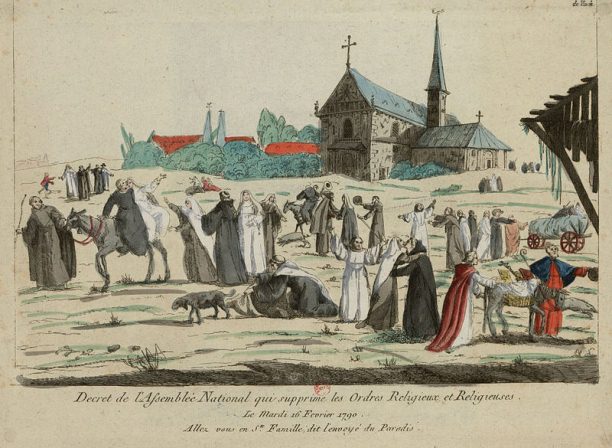
On November, 2nd 1789, France’s new National Assembly, known as the Constituent Assembly, passed a decree that placed all Church property at the disposition of the nation. October 1792, was the deadline for the evacuation of monasteries that became the state property along with all their wealth. All the French Carthusians were scattered, some join the Carthusians of Switzerland or Italy. By 1794, all the imprisoned religious under the age of 60 were deported to Bordeaux, Saintes and Rochefort, where they most often die of misery. Among them were a few Carthusians.
On July 16, 1816, Dom Romuald Moissonier, residing in the Part-Dieu, Switzerland (the only Charterer of the order who survived the revolutionary turmoil), returned to the Grande Chartreuse with some religious to resume regular life.
In 1857, an imperial decree defined a reserve around the monastery to preserve the landscape and guarantee the tranquility of the monks.
On April 10, 1676, because of a chimney fire from the Reverend Father’s apartments. The lack of fire-fighting means and especially the roofs covered in wood tiles have led to an almost total destruction. After the fire of 1676, Dom Innocent Le Masson rebuilt the monastery, the one known to us today (it is classified as a historical monument since 1920).
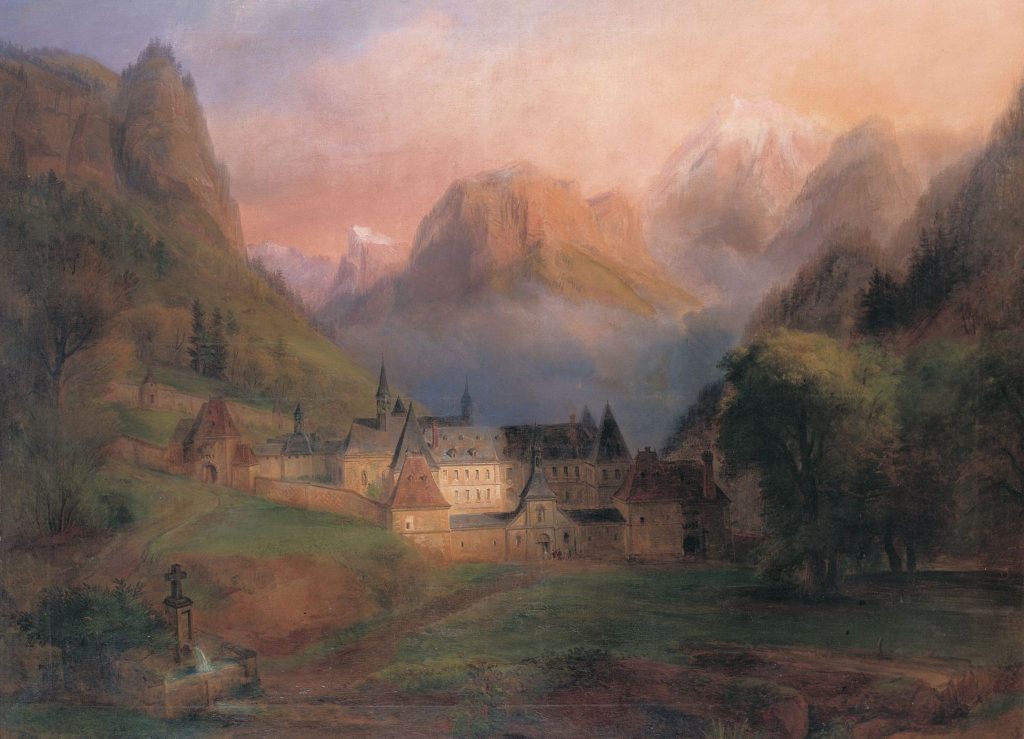
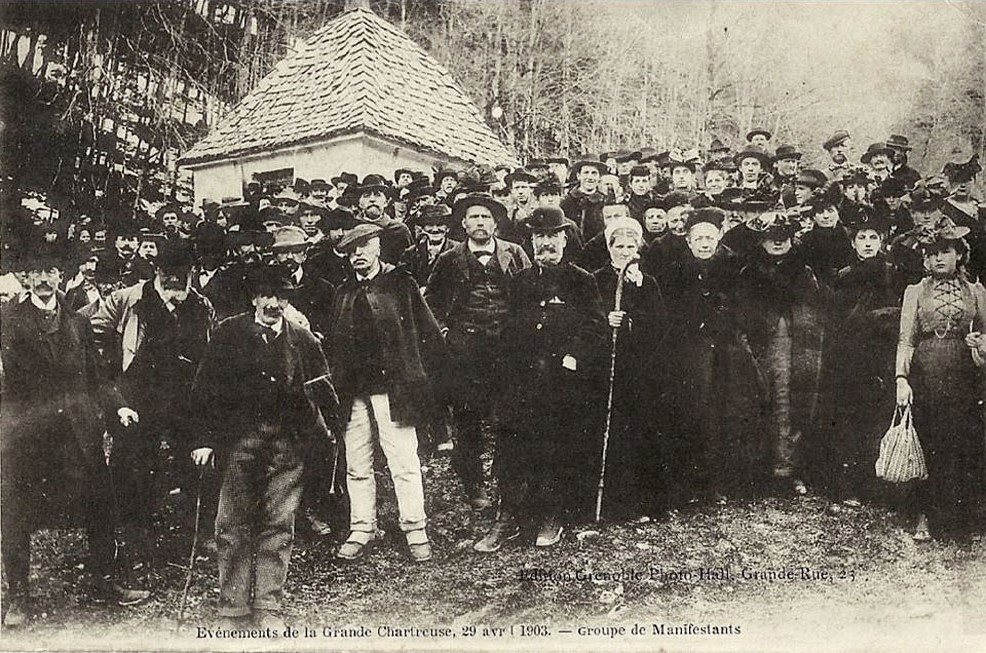
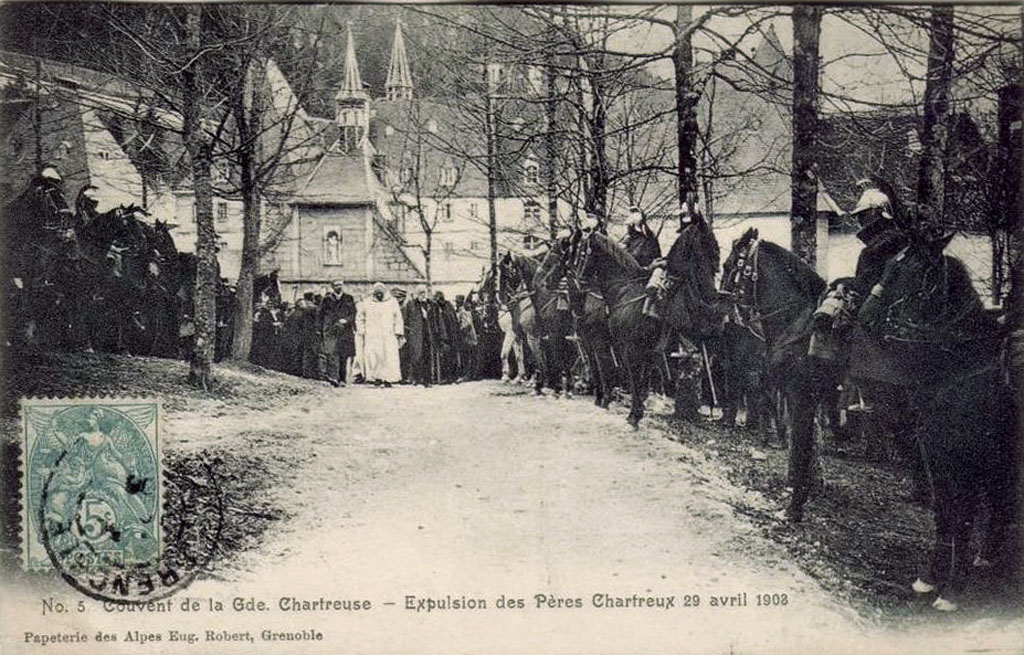
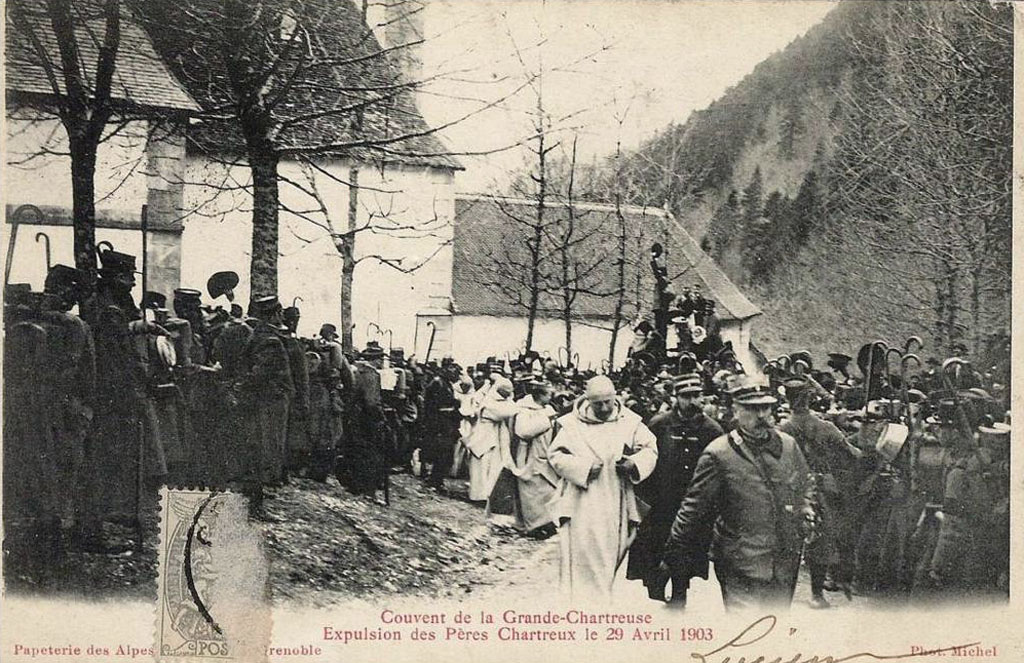
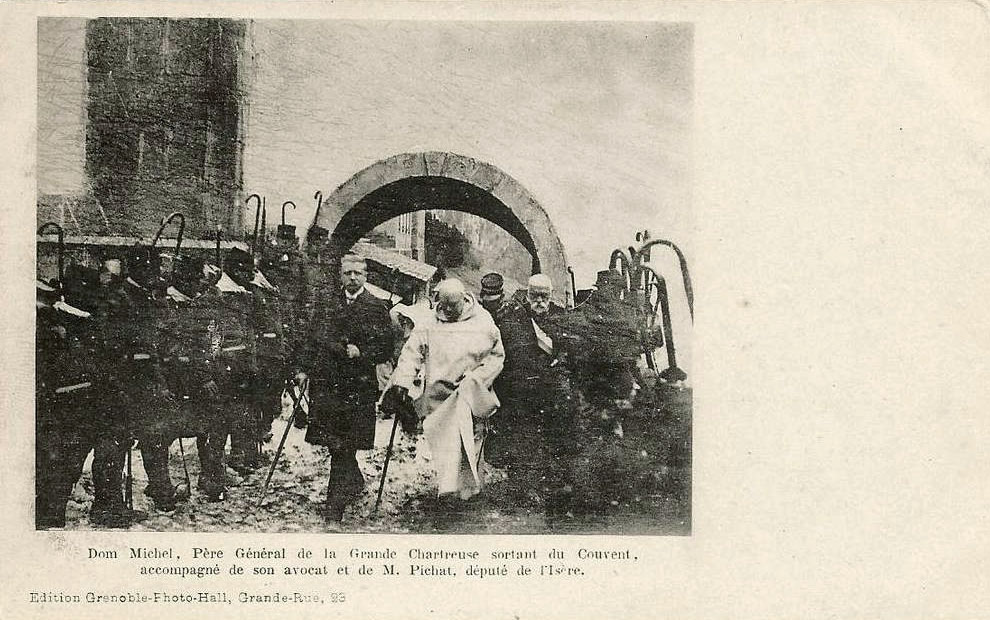
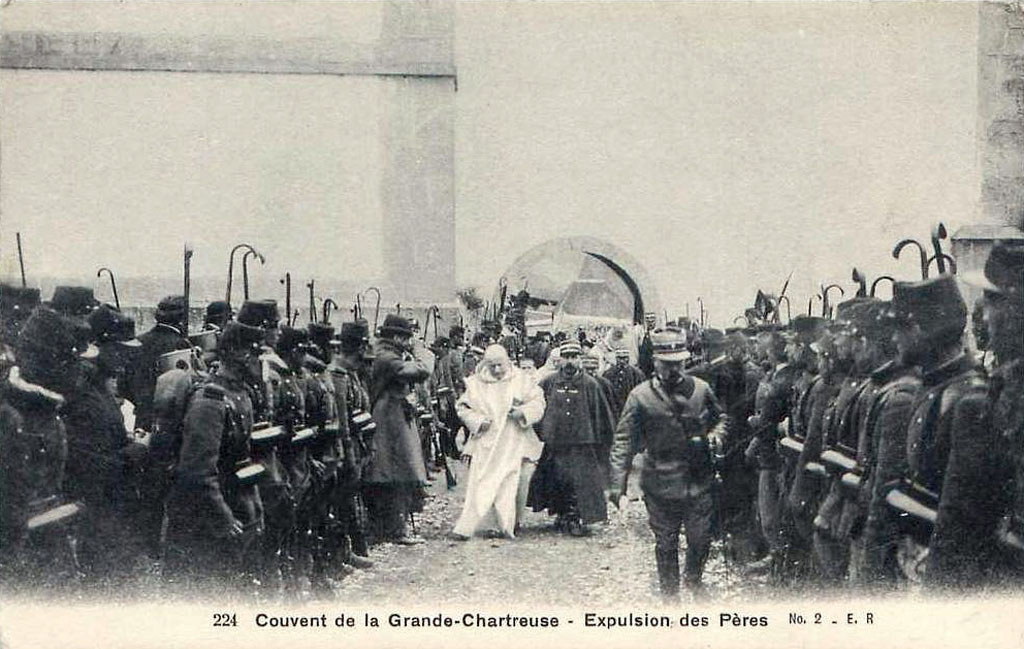
The 1901 law against religious congregations caused the simultaneous closure of 10 French Chartreuse. The community of the Great Chartreuse was expelled manu militari by the public authorities in 1903, despite the protests of the Dauphinois crowd. Some monks settled at the Chartreuse de Farneta in Italy, other Carthusians had to emigrate. In 1921, the Chartreux Fathers set up their new distillery in Marseille. For a decade, they will relaunch their sales in France.
In 1935, a landslide destroys the distillery, dispersing much of the stock in the river. The French army helped and save several oak barrels and copper stills, which are transferred to the nearby town of Voiron, where the monks have a small warehouse and a cellar. In 1940 a decree by Georges Mandel allowed the monks to re-occupy the Grande Chartreuse. On June 21, 1940, the day after the announcement of the armistice, three Fathers officially took possession of the buildings. A law by the Vichy government on February 21, 1941 granted the Carthusians legal recognition in France. During the occupation (and afterward), the community opened its doors to Jews and other persecuted people. The same was true during the épuration légale (legal purge) following the war, for the benefit of former collaborators and militiamen.
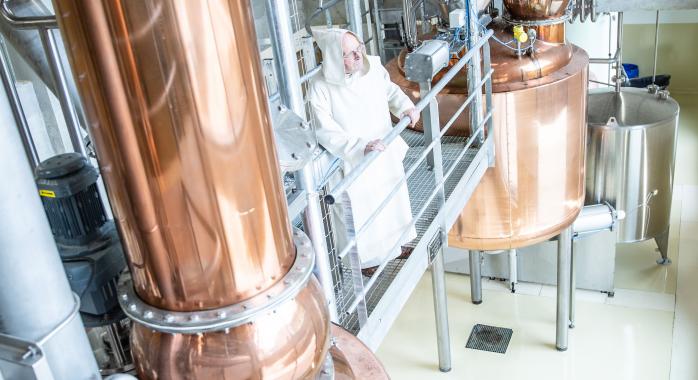
The Grande Chartreuse is now a classified historical and natural site, it prohibits airline planes to fly over and cars are prohibited. A museum was also established not far from the site of the Grande Chartreuse. The flow of cars stops there, which is one and a half kilometers from the monastery. It allows the Carthusians monks to live in the solitude they consider in line with their vocation. They want this place to remain a “desert” within a zone of silence, now officially protected by the public authorities. The Chartreuse monks inaugurated the Aiguenoire distillery on August 30, 2018. A place where they used to own a mill and a barn, and was taken from them during the French Revolution.
Official brand registration of the Chartreuse by Dom Louis Garnier
The signature is always at the bottom right of the bottle label and is used as a brand. It was created in 1852 by Father François Dom Louis Garnier, born on November 8, 1804 in the town of Lissac, Haute-Loire. It was on November 20, 1852, Louis Garnier officially registered the brand for the Carthusians and did it again in 1869 to protect the brand against the ongoing counterfeited bottles of Chartreuse.
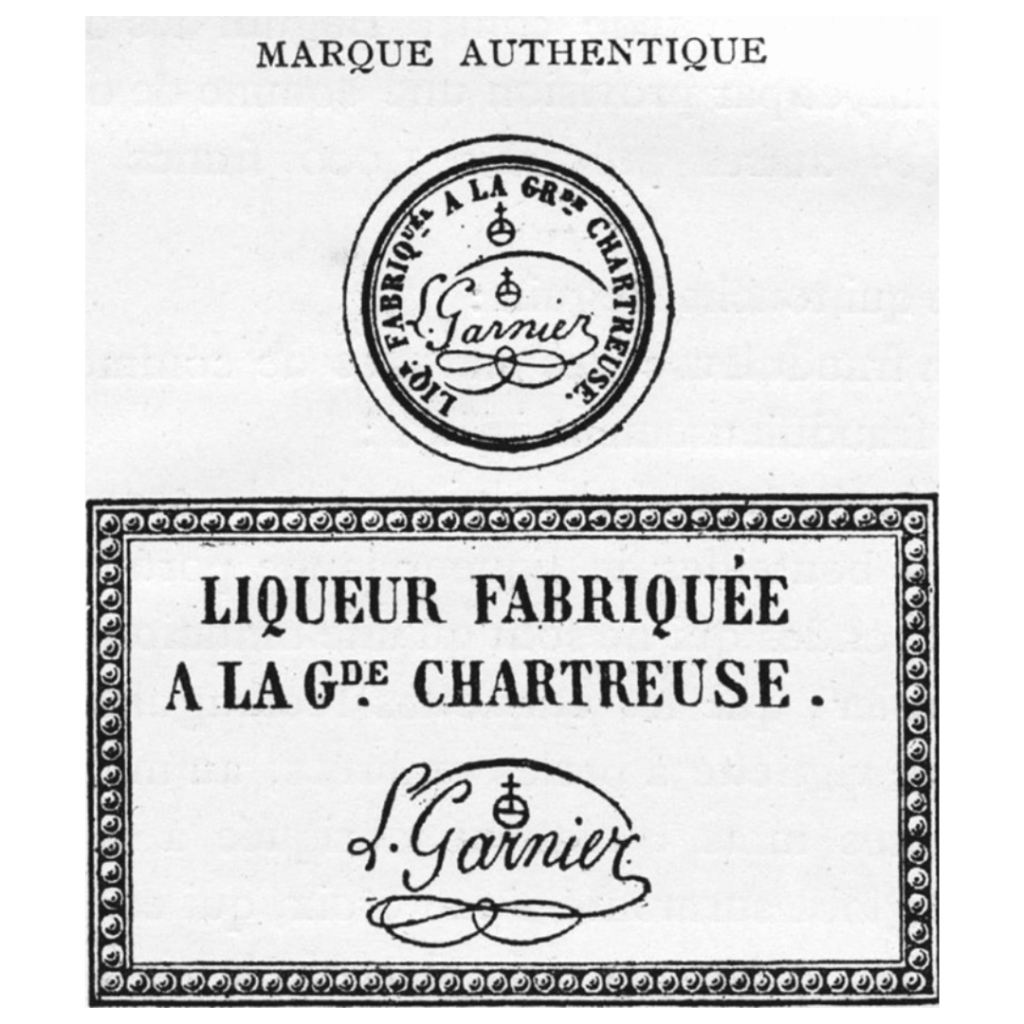
Photo credits: Chartreuse Diffusion
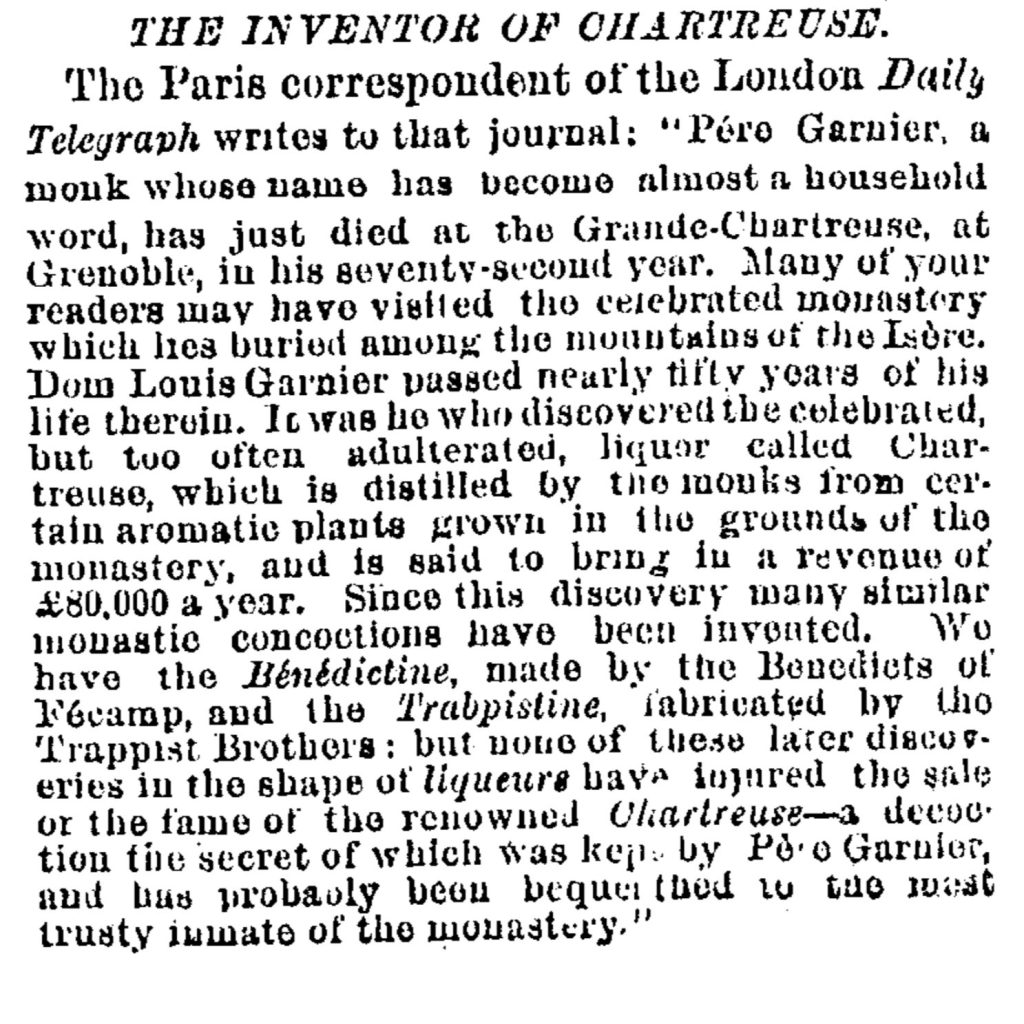
Obituary of Dom Louis Garnier – New York Times, 1876
Chartreuse Products Line
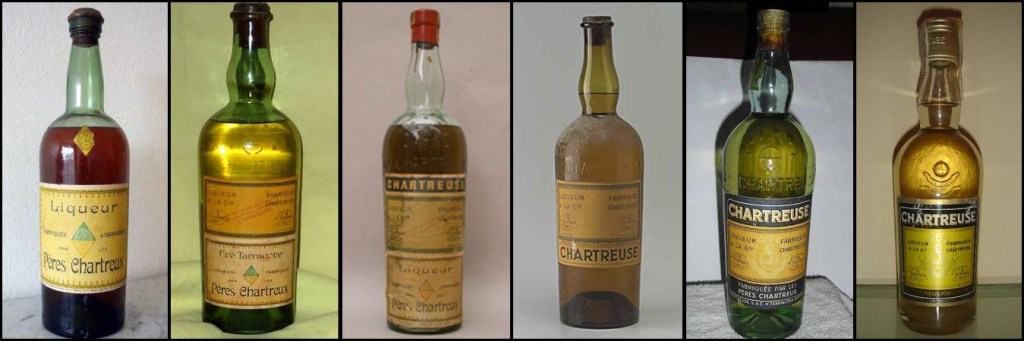
- Green Chartreuse (55% A.B.V.). The original chartreuse is the only liqueur in the world with a natural green color. It has an herbaceous and citrusy notes. The base alcohol comes from beetroot at distilled twice to reach 96% A.B.V.
- Yellow Chartreuse (40% A.B.V.). Introduced about 50 years later, is milder and sweeter than the Green Chartreuse. Its color is natural and comes from safran. It has spicy notes thanks to the cardamom. In 1972, Chartreuse entered a high taxation era so the ABV of Yellow Chartreuse was dropped from 43% to 40% but in 2010, they began recreating the original Yellow Chartreuse as La Reine des Liqueurs.
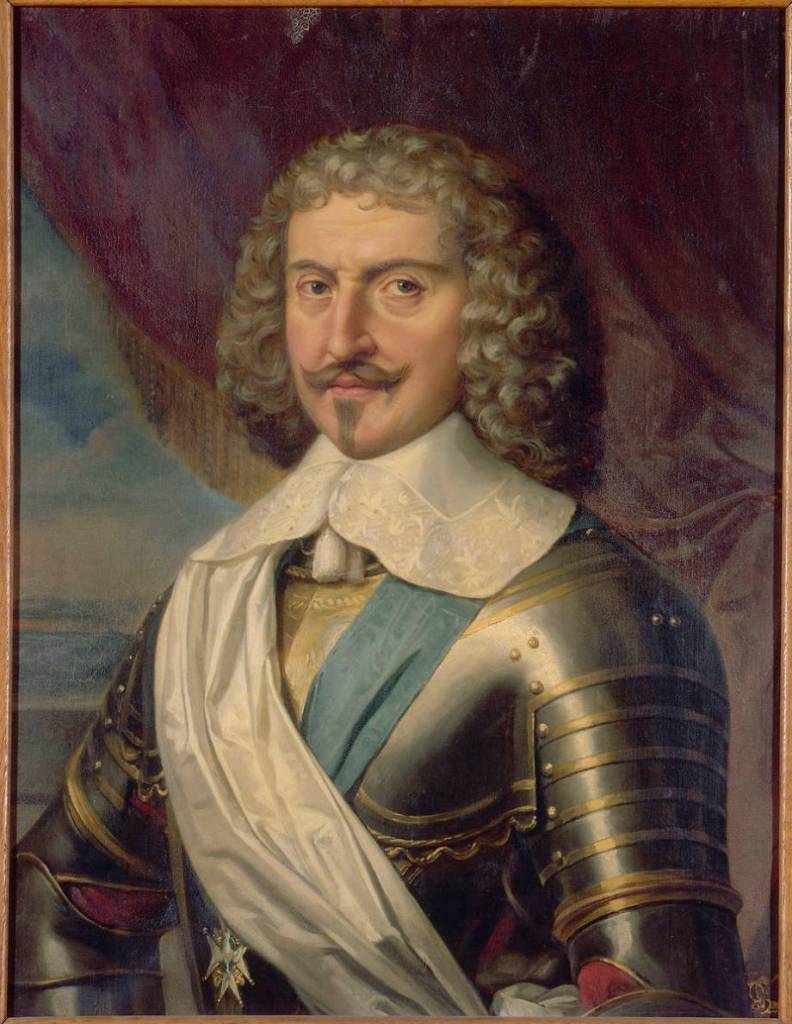
- Herbal Elixir de la Grande Chartreuse. Made by the Carthusian monks since 1764, the recipe was adapted from the manuscript given to them by Duc d’Estrées in 1605.
- V.E.P. Green Chartreuse and V.E.P. Yellow Chartreuse. V.E.P. stands for Vieillissement Exceptionnellement Prolongé, Exceptionally Prolonged Aging (about 15 years). These were created in 1963 from the same recipe as the traditional Chartreuse expressions. However, by extra-long aging in oak casks, they develop greater complexity (V.E.P Green Chartreuse is 54% A.B.V. and the V.E.P Yellow Chartreuse is 42% A.B.V.).
- Chartreuse 1605 Liqueur d’Elixir. This liqueur was created in 2005 to commemorate the 400th anniversary of the duc d’Estrées’ delivery of the recipe manuscript to the Carthusian monks in Paris. It is less sweet than the other cuvée and resemble more the flavors of the elixir (56% A.B.V.).
- Chartreuse MOF Liqueur (Jaune), created in collaboration with the Meilleur Ouvriers de France Sommeliers (M.O.F) in 2022 is a very special limited edition. The MOFS weren’t allowed to see the original recipe, and this is said to be less sweet and much more complex than standard yellow Chartreuse.
- In 1990 l’Épiscopale is created to celebrate the 50th anniversary of the official return of the Carthusians to France. It is a cuvée that blends both the yellow and green Chartreuse with 1/3 of the Verte, and 2/3 of the Jaune.
- Other Special Cuvées are the Foudre 147 Liqueur (Vert), and Liqueur of the 9th Centenary, created in 1984 to commemorate the 900th anniversary of the founding of the Carthusian Order in 1084, by Saint Bruno.
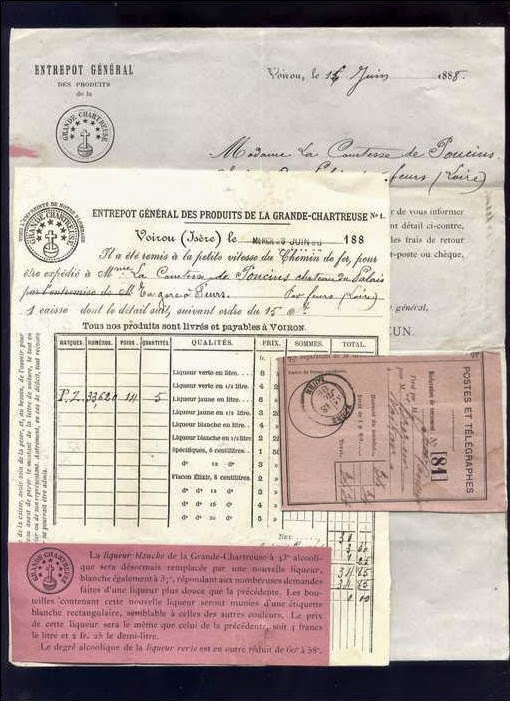
- One of the rarest of the Chartreuse is the famous Blanche (White) Chartreuse. In 1860, the monks create a softer and less expensive new liqueur at 43% A.B.V. The manufacturing process excluded the final coloring step; hence its name, Blanche. As it sold less than yellow or green chartreuses, the Carthusian Monks stop selling it in 1880. The formula was then changed, and was again produced and sold from 1888 to 1900, this time with 37% A.B.V. They finally decide to stop the production in 1900 (or possibly in 1903 when they moved to Tarragona). Here’s a letter from the Carthusian monks which explained their decision to lower the alcohol content: “The white liqueur of the Grande Chartreuse at 43° will now be replaced by a new liqueur, also white, at 37° responding to the many requests made for a softer liquor than the previous one. The bottles containing this new liqueur will have a rectangular white label, similar to that of the other colors. The price of this liqueur will be the same as the previous one, i.e. 4 francs per liter and 2 francs 25 per 1/2 liter.”
- A sibling of the Chartreuse, is the “Génépi des Pères Chartreux” a drink based on a wormwood (the genépi) was released in 1984, the same year as the 9th Centenary cuvée.
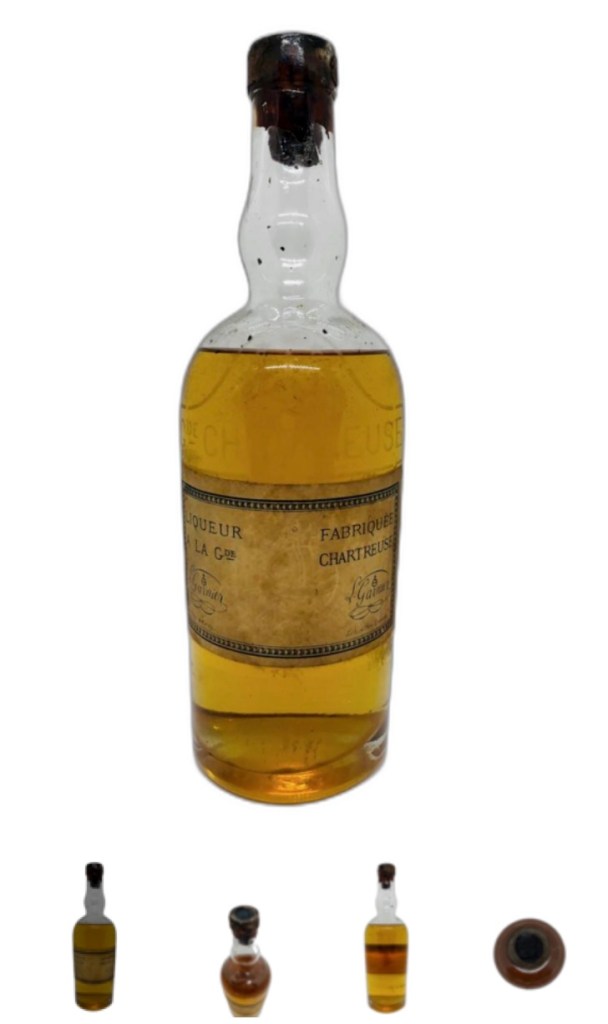
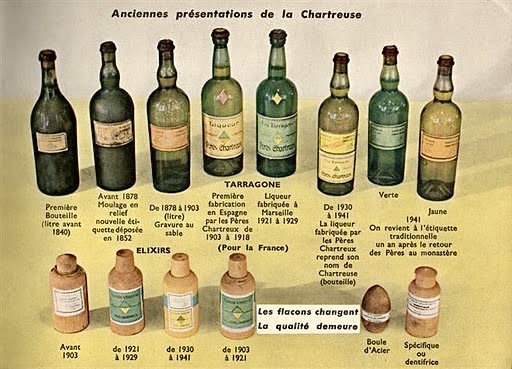
How to tell the age of your Chartreuse
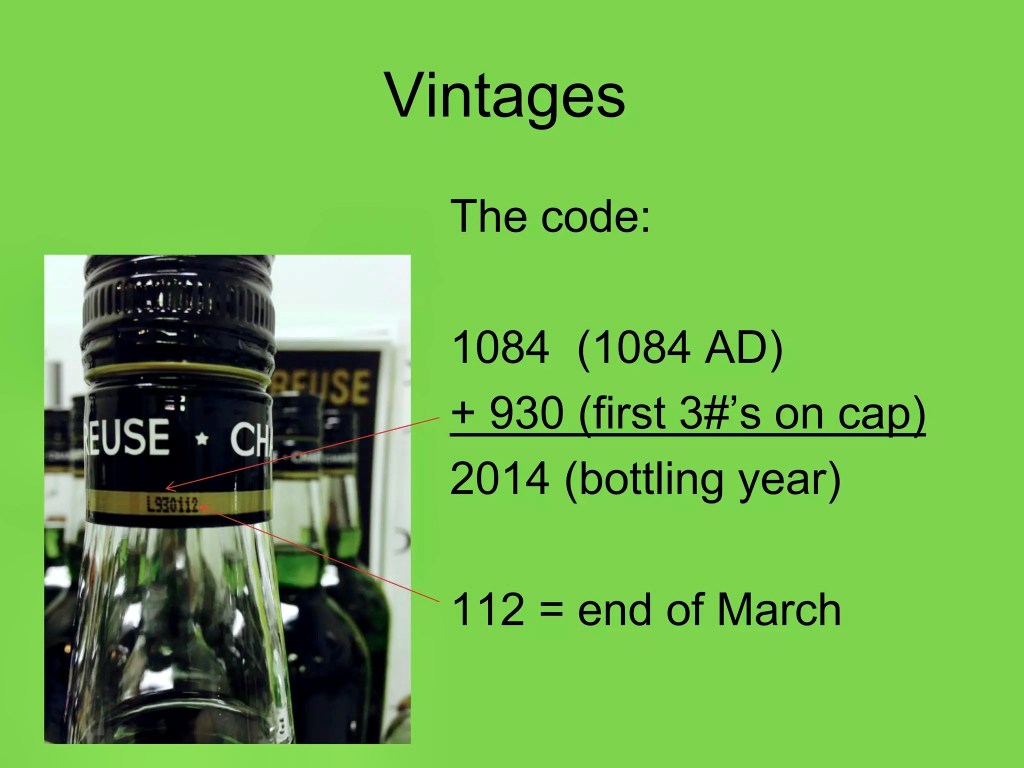
Simply add 1084 to the first three numbers found on the capsule and it will give you the year.
Since 1991 the Chartreuse bottles have digits near the cap to help you found the date it was bottled. The six-digit number is located on the lower gold band at the top of the bottle. Take the first three digits, and then add them to 1084, the year St. Bruno founded the first Carthusian hermitage in the Chartreuse mountains. For example, 1084 + 938 = 2022 (year). The second three-digits represents the days into the year that the Chartreuse was bottled. For example, 038 would mean February 7.
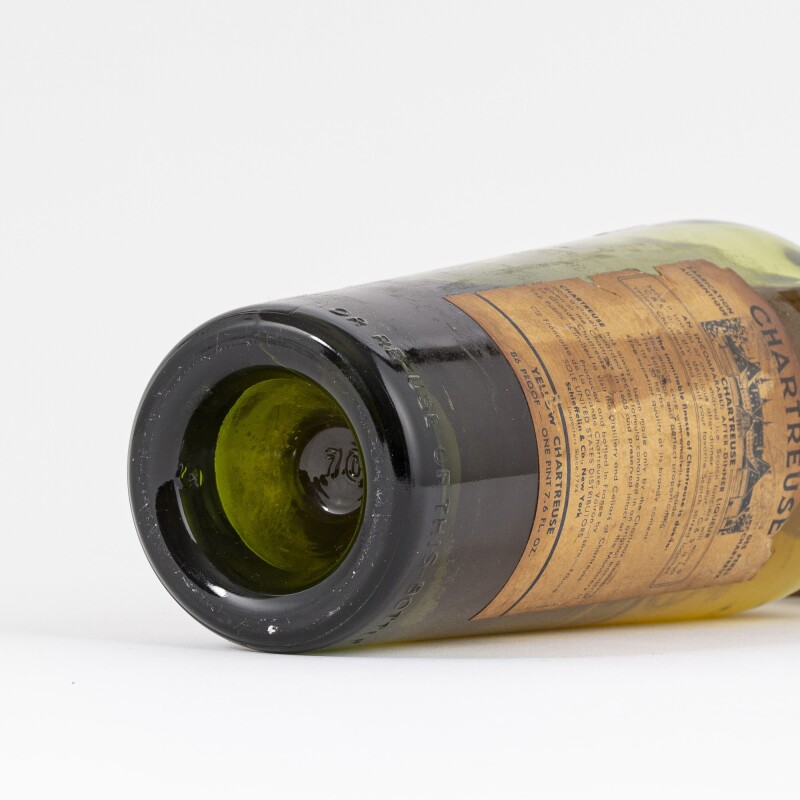
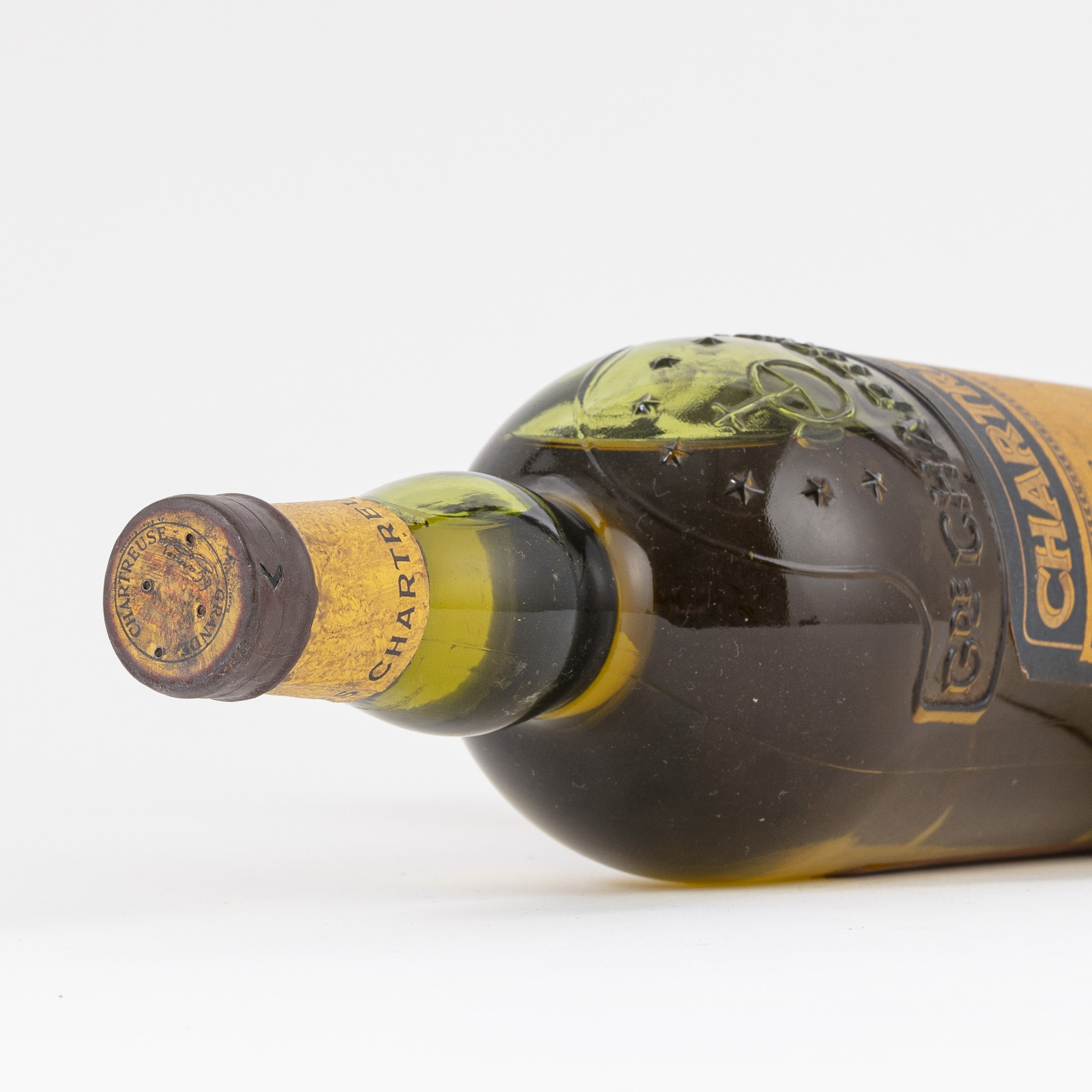
You can also look for the importer. Frederick Wildman and Sons have been importing Chartreuse since 1990. From 1981 to 1990, 21 Brands was the importer, then from 1969 to 1981 it was Sussex, from the 1940s to 1969, Sheiffelin and Sons, and from 1933 until the 1940s it was Shently who imported it.
The last detail to look for is whether the bottle has a silver cap. The company switched the colors of the caps from silver to black in 1980.
Interesting Facts
- In 1912, a dessert containing a Chartreuse gelée with peaches became famous since it was being served as a first-class dish aboard the Titanic.
- In the 1925 novel, The Great Gatsby, Nick and Daisy share a bottle of Chartreuse served by Jay Gatsby.
- It is the only liqueur to have a color named after it.
- The cellar in Voiron is known to be the oldest and largest liquor cellar in the world at 164 meters long.
- Chartreuse was mentioned and has received lyrical nods in songs by Frank Zappa, ZZ Top, and Tom Waits.
- Olivier Poussier (winner of the 2000 World’s best sommelier) believes it is the only liqueur that improves after being bottled. Both the green and yellow Chartreuse age well with the yellow Chartreuse being more harmonious whereas the green is more complex according to Tim Masters (director of specialty spirits for Frederick Wildman and Sons), “Chartreuse eats sugar, and it mellows with age. Some say Chartreuse yellow ages more eloquently whereas Chartreuse green has an angry, wonderful aging. The green is that angry uncle whom you love so much, whereas the yellow chartreuse is that debonair friend who is a little older and more sophisticated.”
Chartreuse Shortage
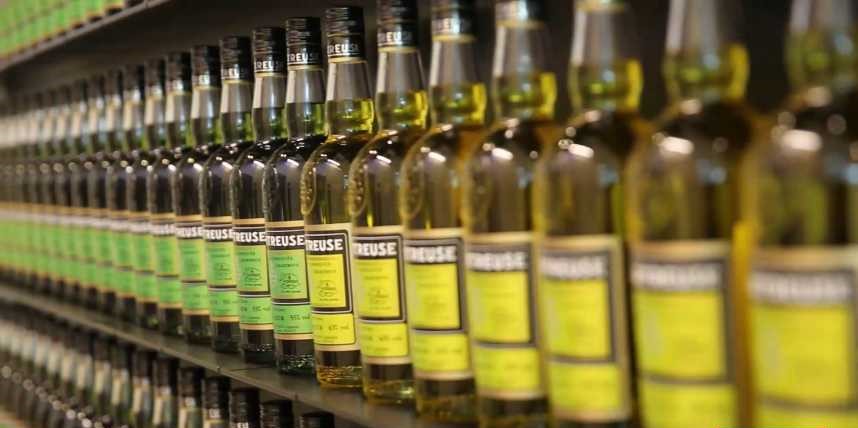
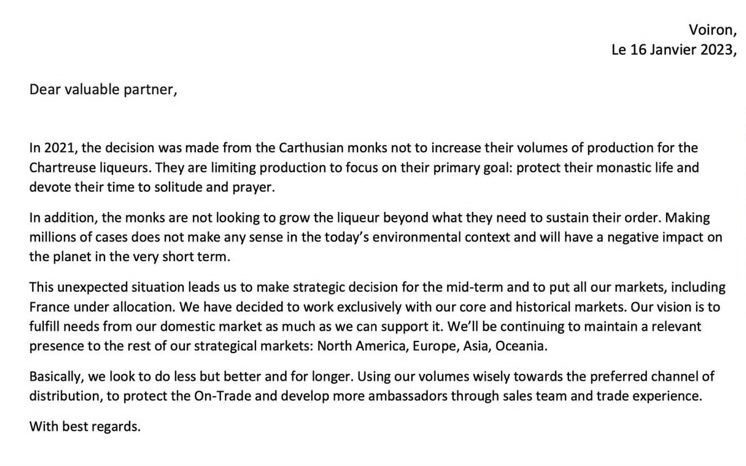
On January 16th, 2023, a letter from the Carthusian monks was released and explained their decision to not increase the volumes of production of Chartreuse in order “to focus on their primary goal: protect their monastic life and devote their time to solitude and prayer.” (see below the official letter).
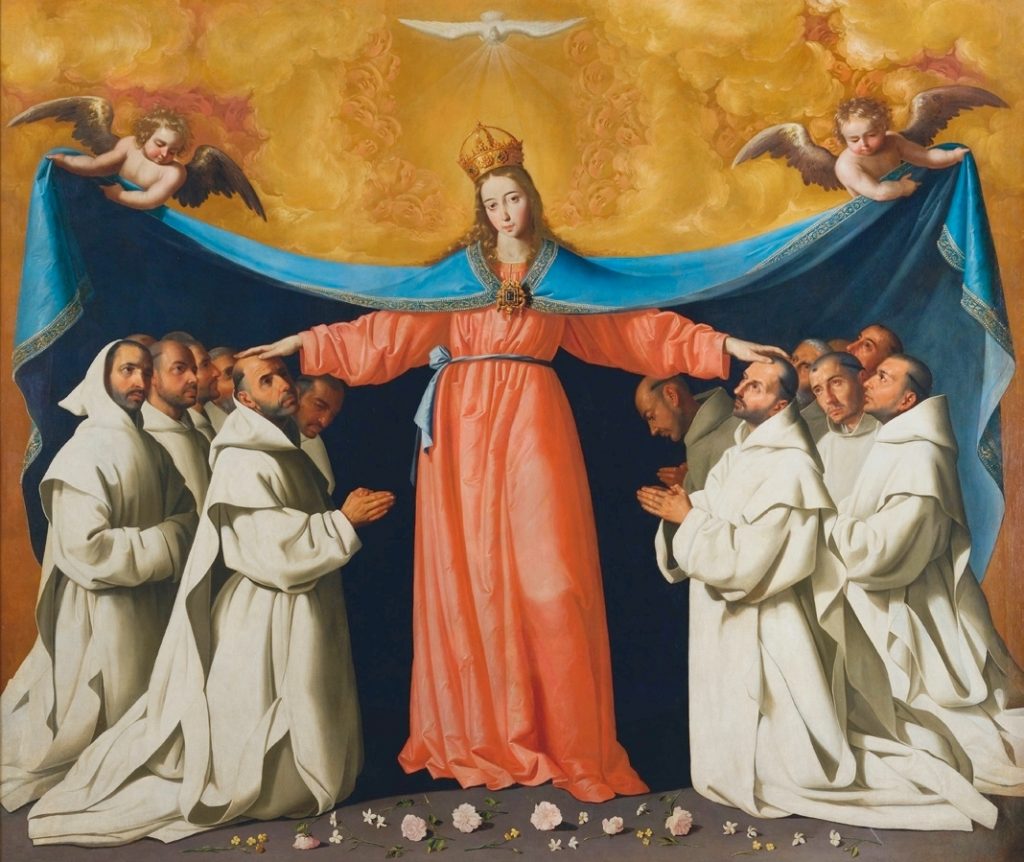
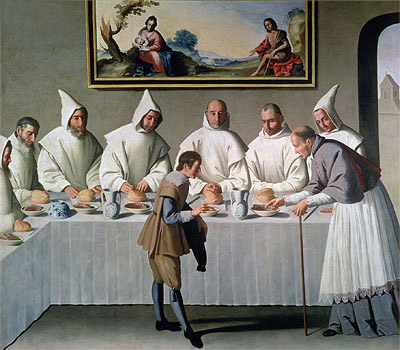
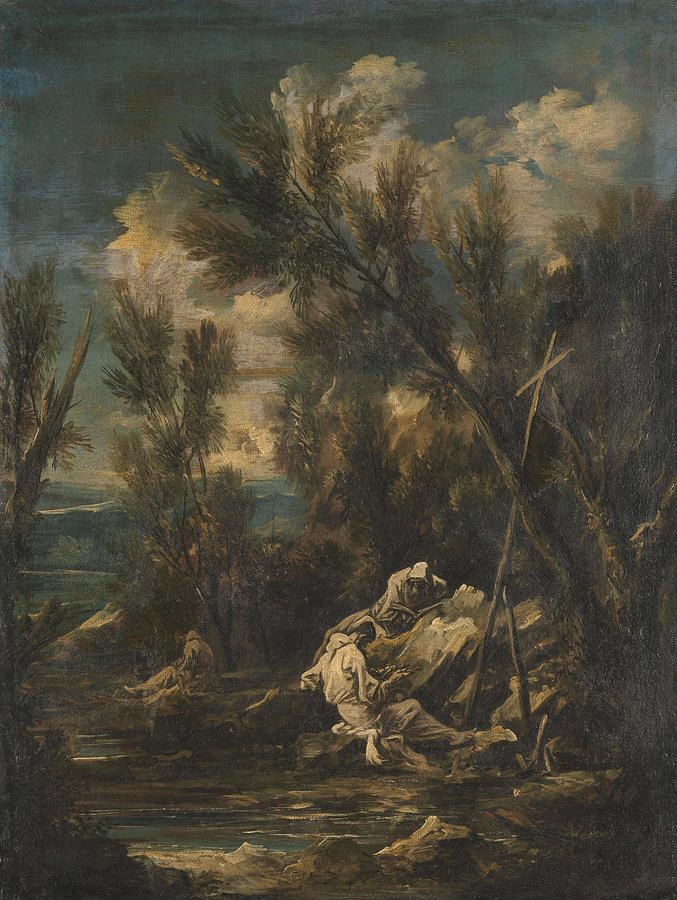
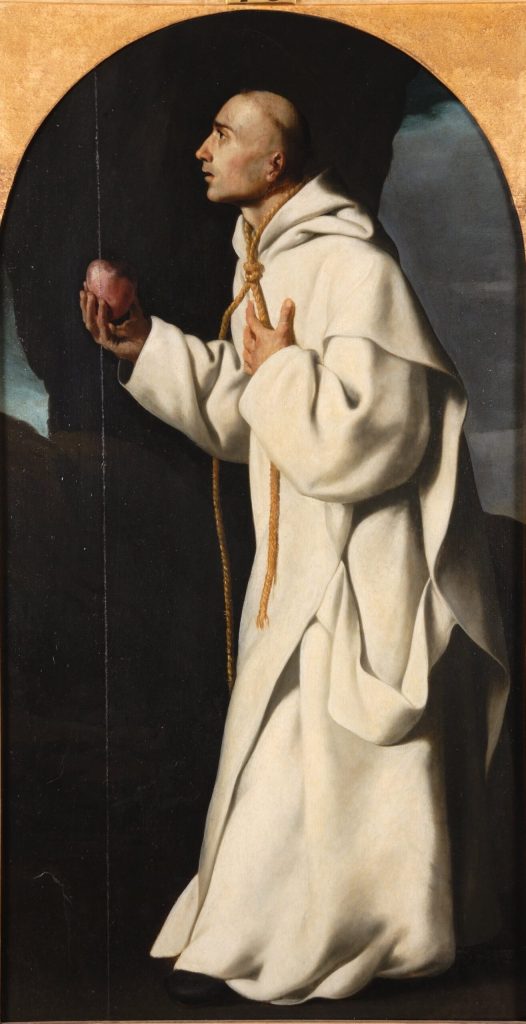
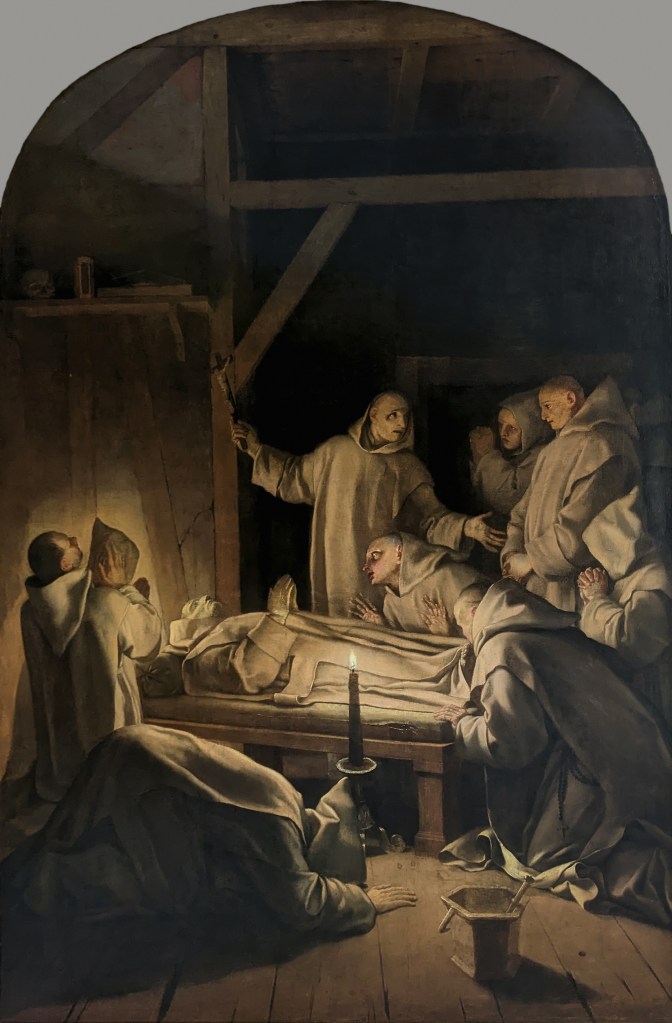
Artworks about the Chartreuse
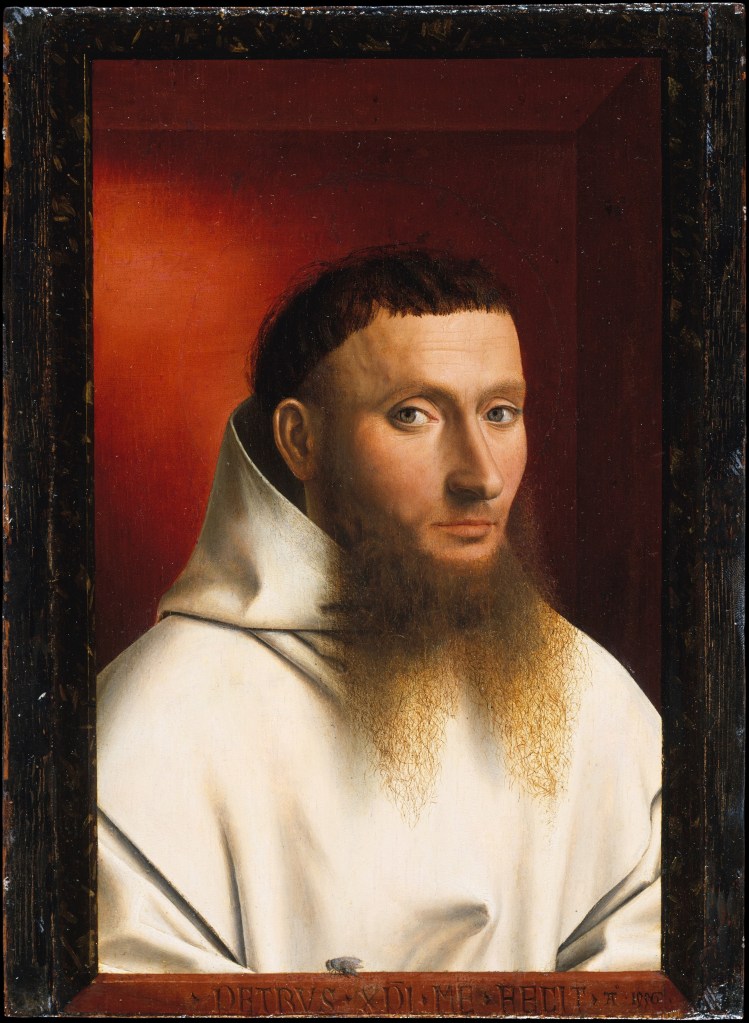
Painting by Petrus Christus
 Chartreuse & Amaro DIY