
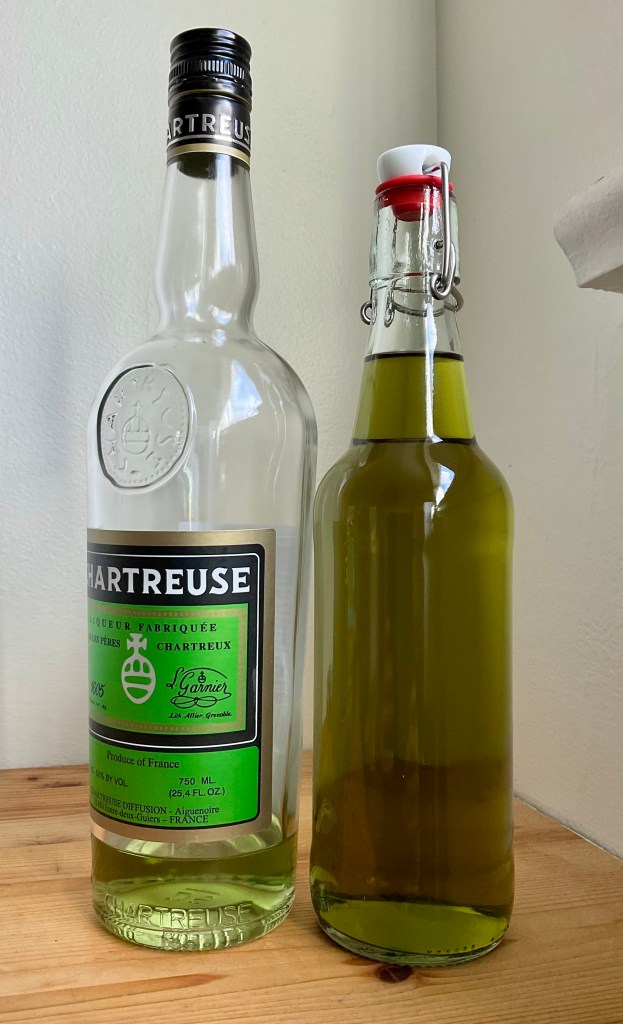
The final result of this natural recipe is my version of Green Chartreuse, similar in both color and flavor. There is no oak aging in order to preserve its iconic green hue; however, if you wish to add complexity, feel free to include oak chips (about 2 tablespoons of French oak for up to four weeks). Be aware that this will turn the liqueur amber.
With this in mind, be sure to keep the jar in a dark place while the ingredients are soaking. The dosage and even the selection of ingredients can be adjusted to suit your taste, but be sure to use fresh herbs for this recipe.
Finally, and optionally, I like to add a small splash of gin (or absinthe) before bottling. This enhances the pine aromas and spice notes characteristic of juniper berries without affecting the Chartreuse’s color.
28 ingredients + Rose water and Gin (both optional)
750ml Alcohol (75%)
250ml Water
150g Sugar (white or caster sugar)
Result: 49% ABV

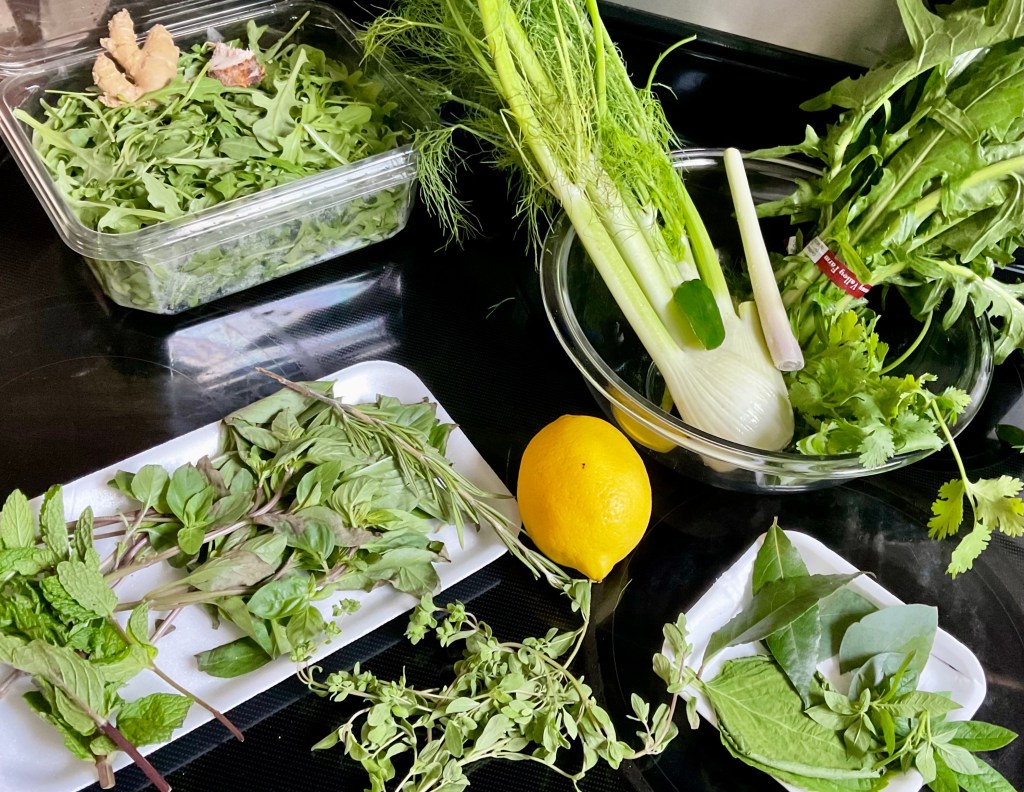
First batch: Lemon balm (1 bunch), Spearmint (1 bunch), Fennel leaves (1 bunch), 2 Bay leaves, 2 Kaffir leaves, Eucalyptus (1 small tip), Lemongrass (1 stick about 4 inches long), Lemon zest (1 or 2 lemon), Ginger (1/2 inch piece without skin), Galangal (1 inch piece without skin), some Marjoram, Sage, Dandelion, Basil, Thai Basil, Cilantro, Arugula, Tarragon, Thyme, and Bergamot Mint.
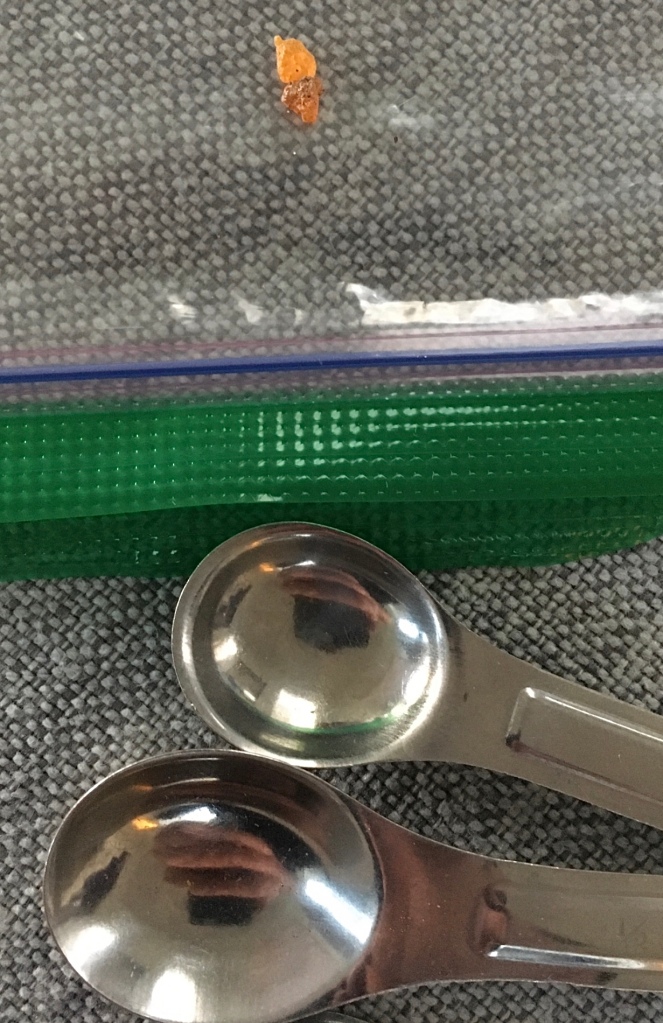
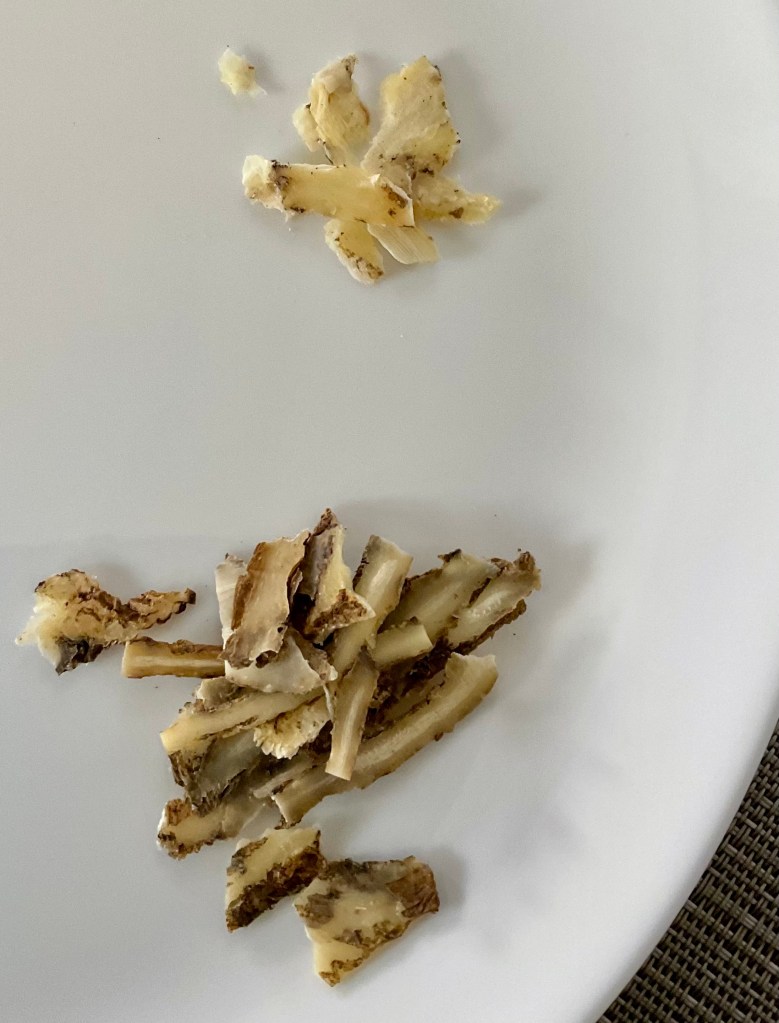
Second batch: Angelica root (2 to 3 grams or a good 1/2 tsp – only the white part!), Rosemary (leaves of 1 sprig), Star Anise (only the pods of one star), Lavender (small tip), Myrrh (two 1/8 inch pieces or one 1/4 inch piece), some Sesame leaves, Oregano, Dill, and keep the Lemon zest from the first batch.
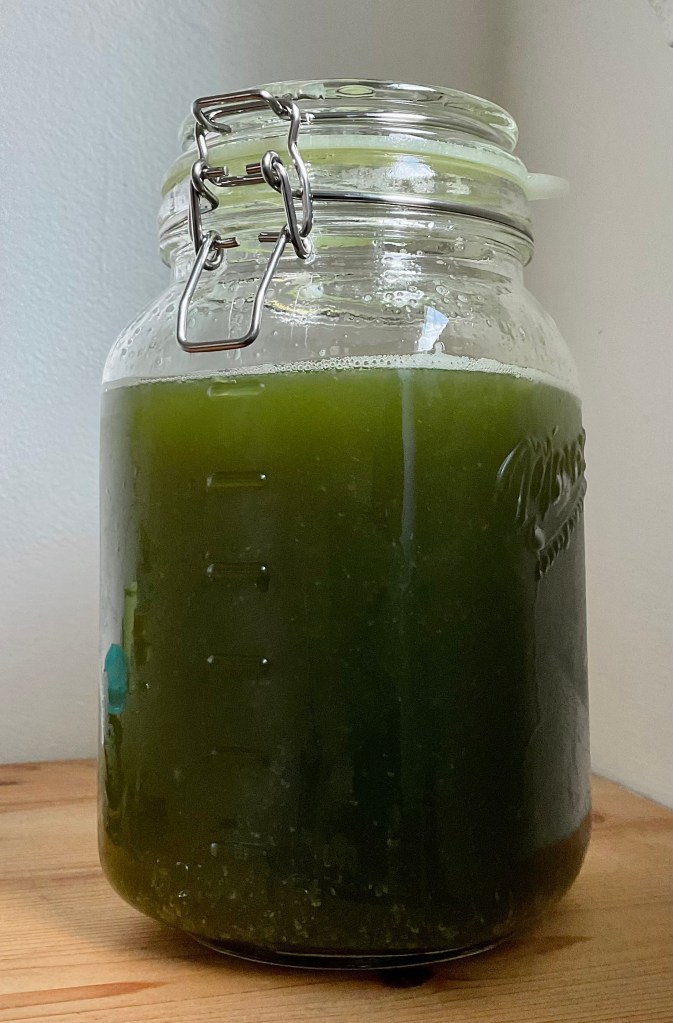
Day 1: Wash and add first batch ingredients in a jar with clear grain alcohol.
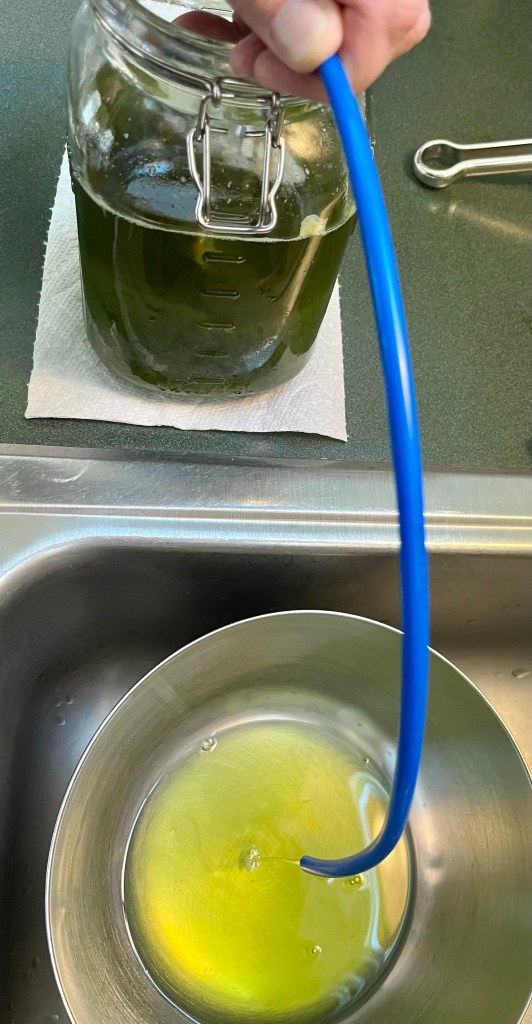
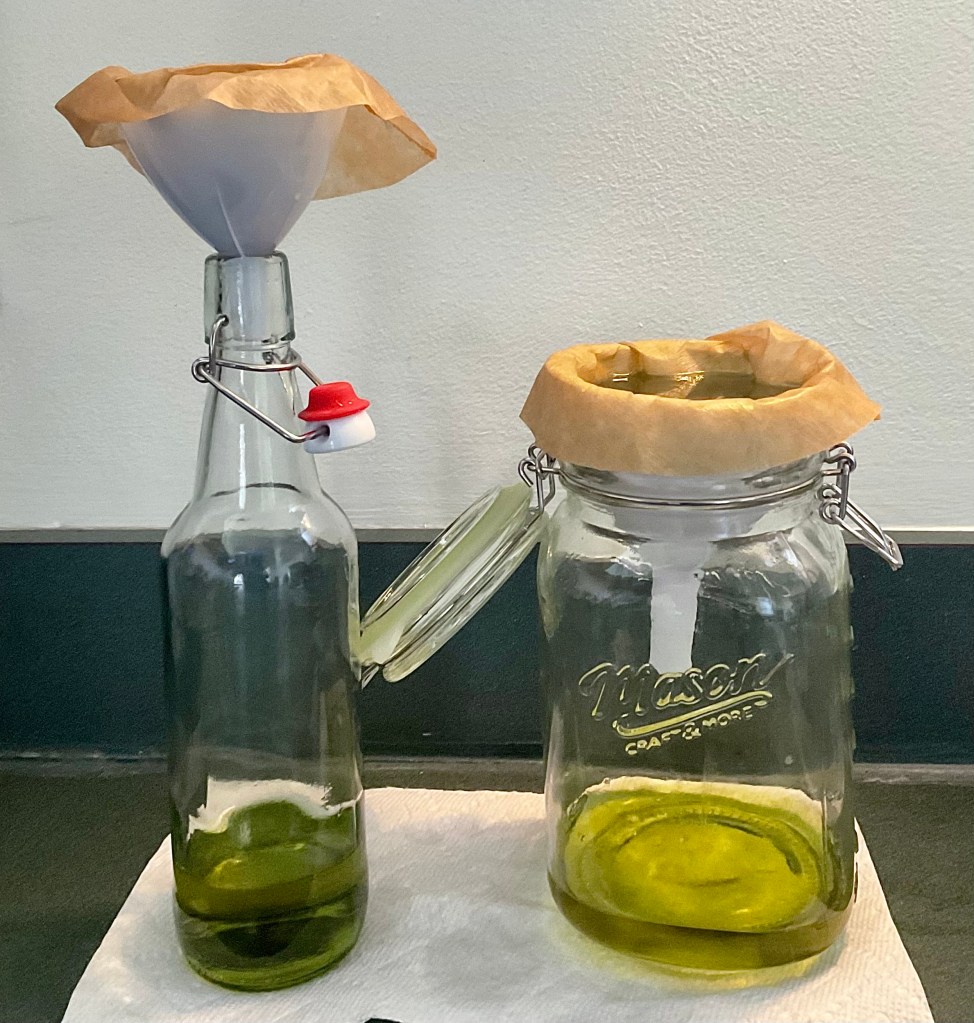
Day 2: Strain the first batch after 10h to 15h (see picture below), keep the lemon zest and add the second batch ingredients.
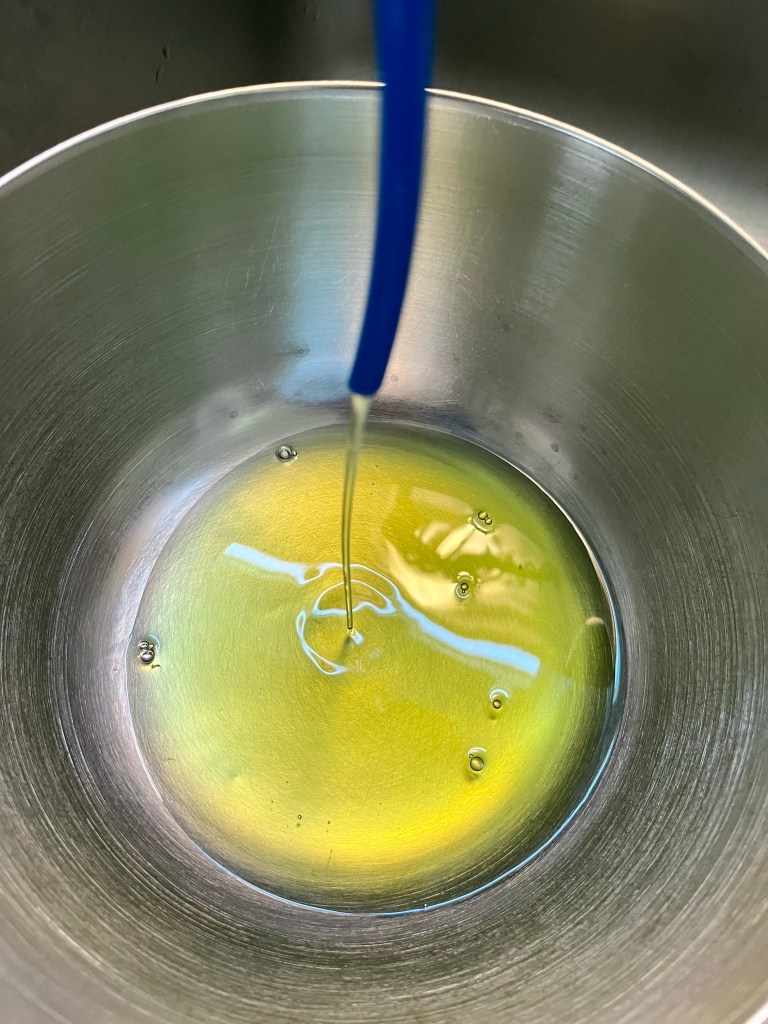
Day 3: Strain the second batch after 15h with a cheese cloth then use coffee filters. After making the simple syrup (heated until the white sugar dissolves then cooled), mix it with the tincture (see picture below). Then add 1 tsp of rose water (optional). It’s normal at this point for your Chartreuse to look cloudy. Cool it overnight in the fridge or for an hour in the freezer if you want to fine it (important!).
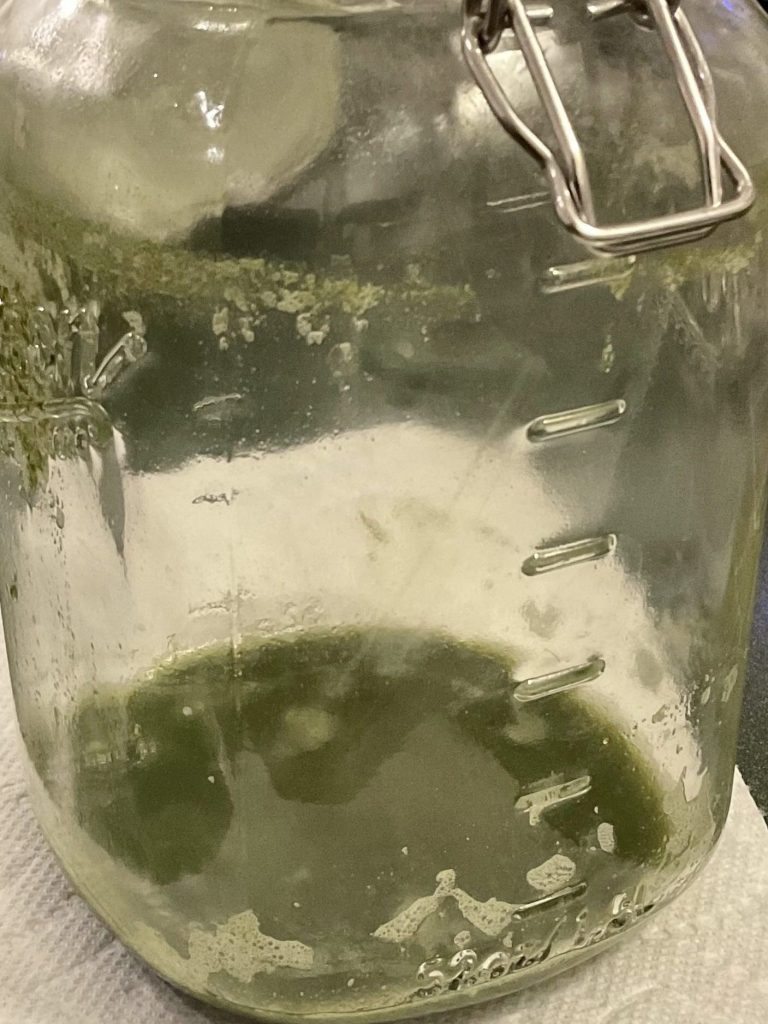
Day 3 or 4: If you wish to fine the Chartreuse to clarify and remove off-flavors, see my Notes on fining and pictures below. Filter one or two more times afterwards, then add a splash of Gin or Absinthe (optional) before bottling. Rest for 3-4 weeks in a dark spot at room temperature before drinking. You’re done! Refrigerate or put in the freezer afterwards.
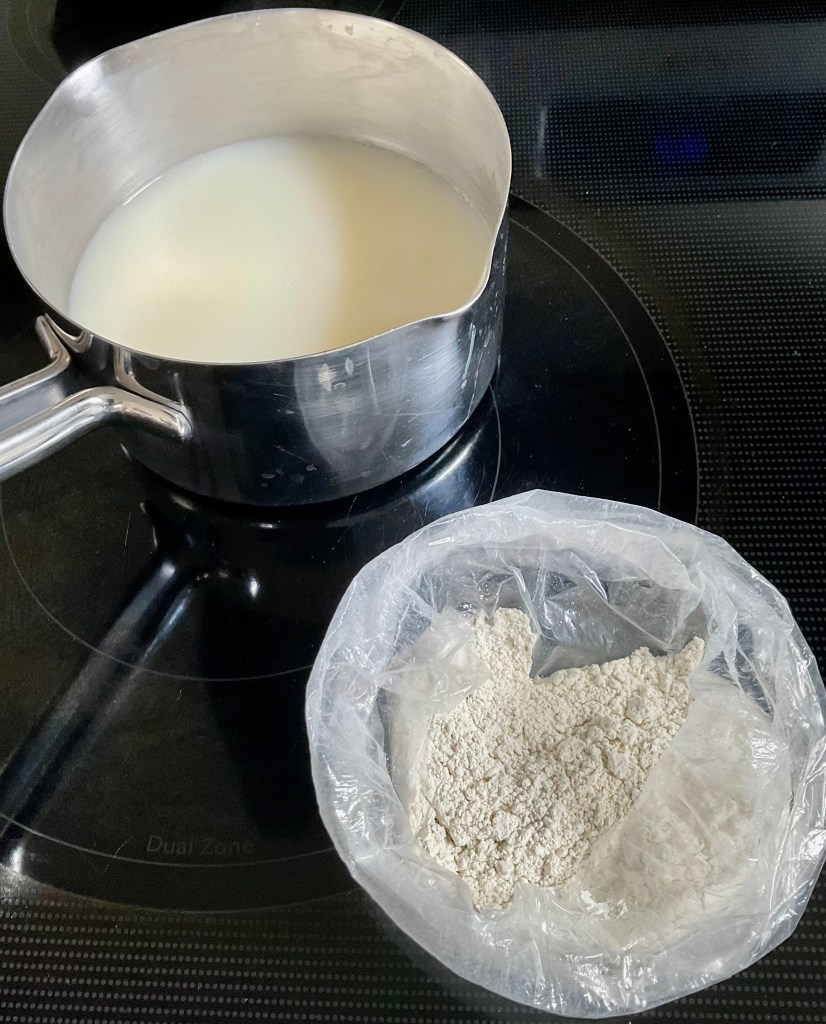
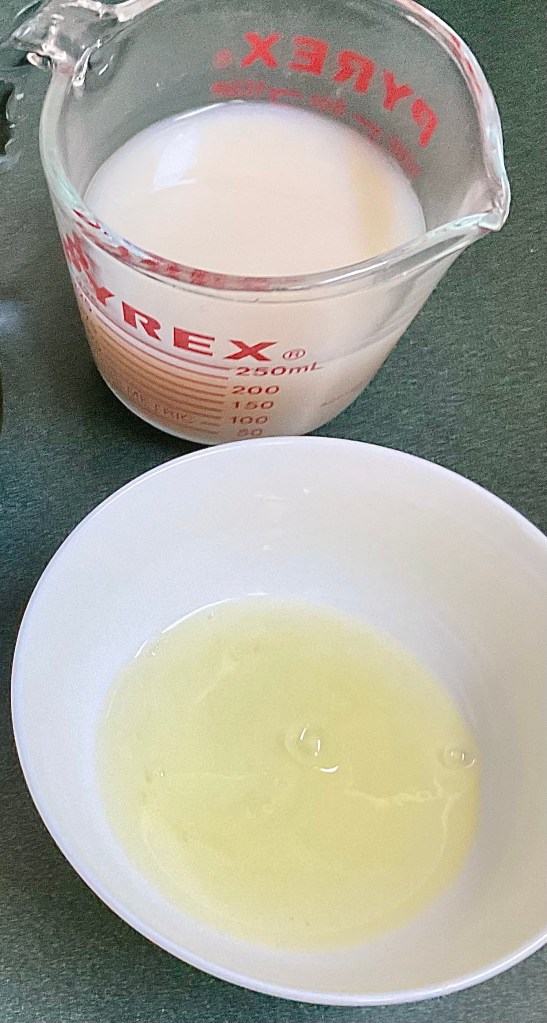
Notes on fining: After cooling the Chartreuse, add 3 tsp of bentonite clay in 1 cup of boiling water, mix it until it dissolve completely and let it cool. Then, use 2 tsp of the clay solution + 3 tsp of white egg and add them to the Chartreuse. Gently mix and let it rest for few hours at room temperature. You will see the sediment settling at the bottom. Finally, after resting for 5h to 7h siphon the Chartreuse, then filter one or two more times.


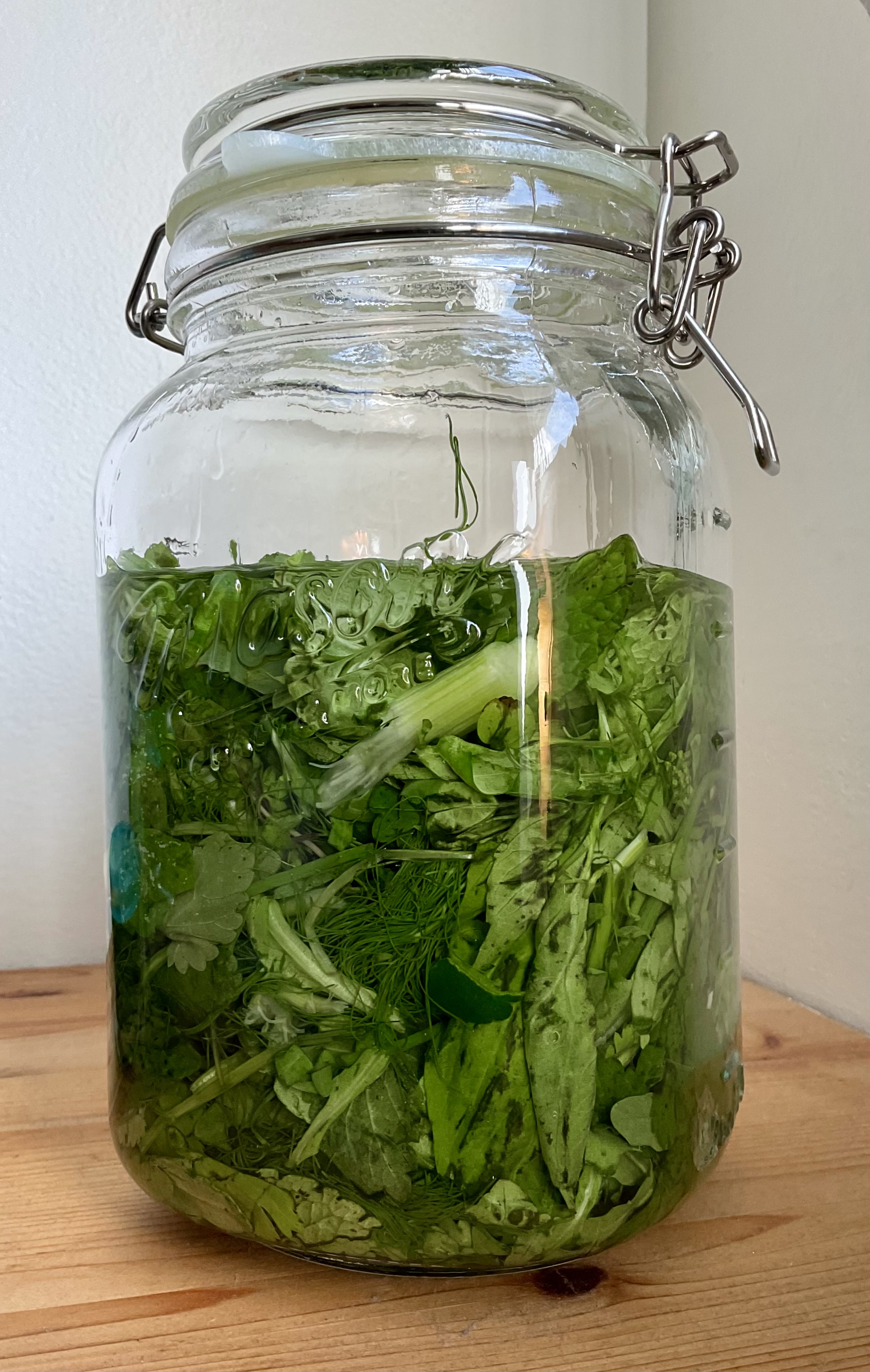
Day 1 – First batch
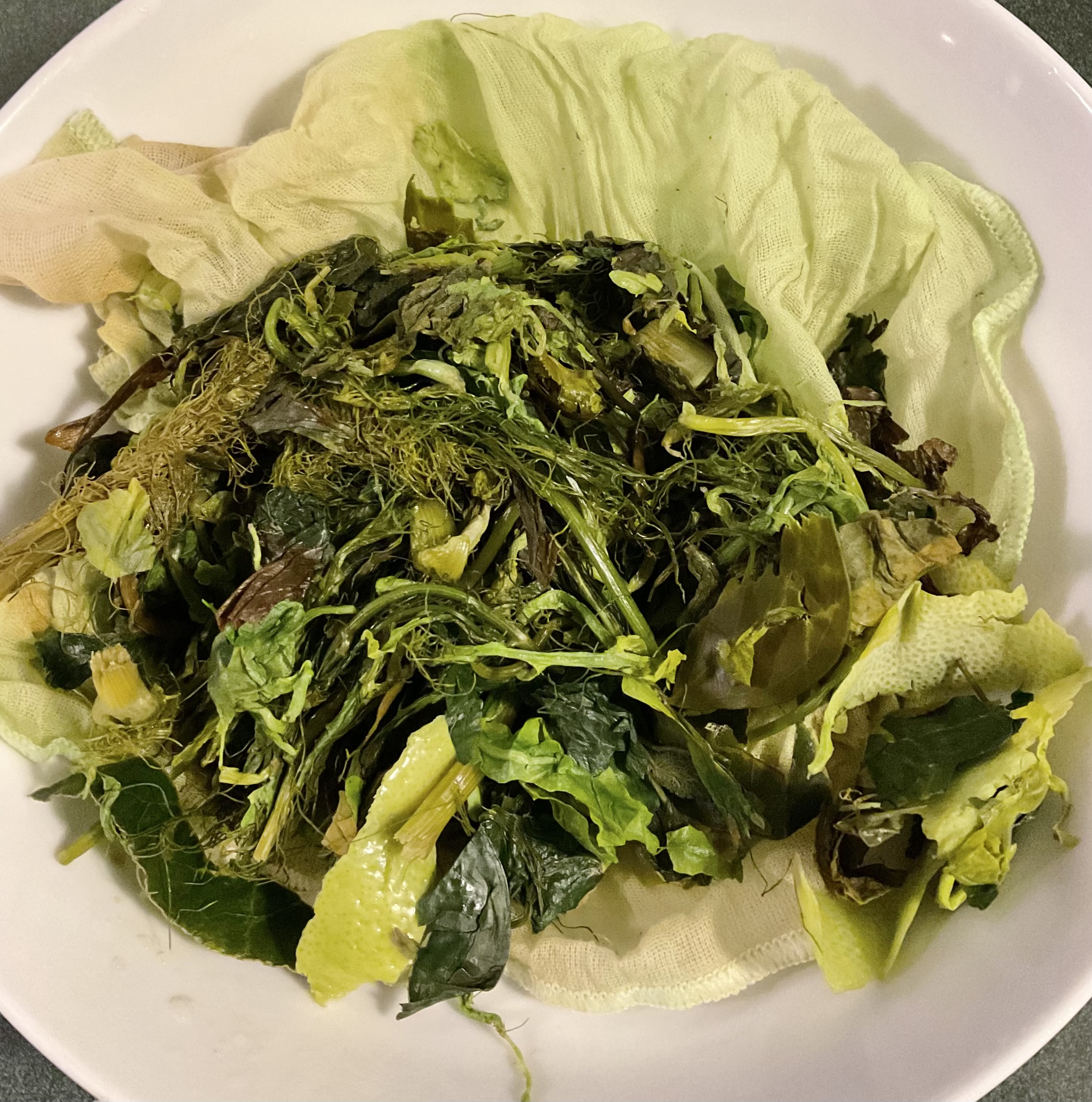
Day 2 – Strain after 10h to 15h
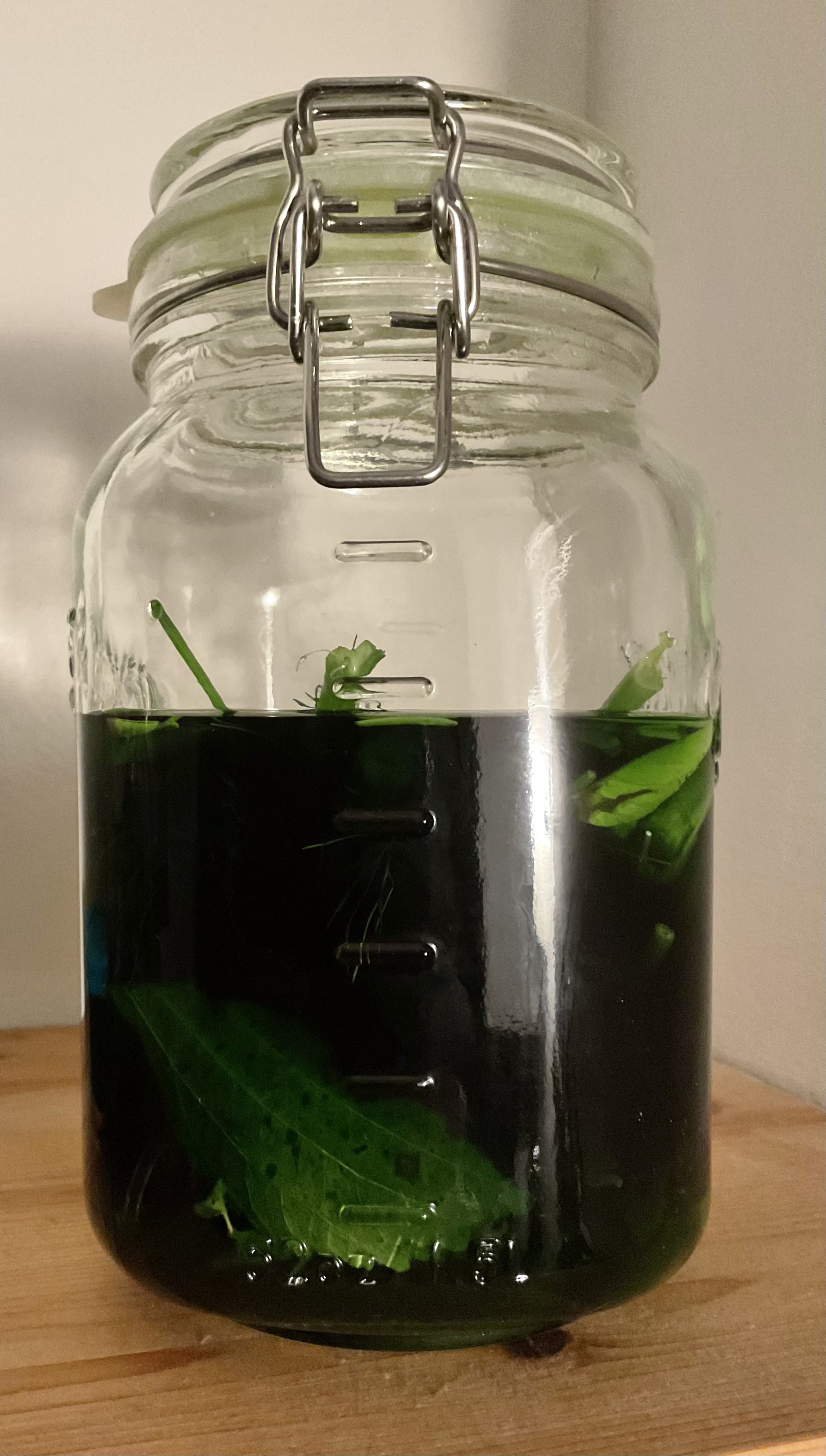
Day 2 – Second batch
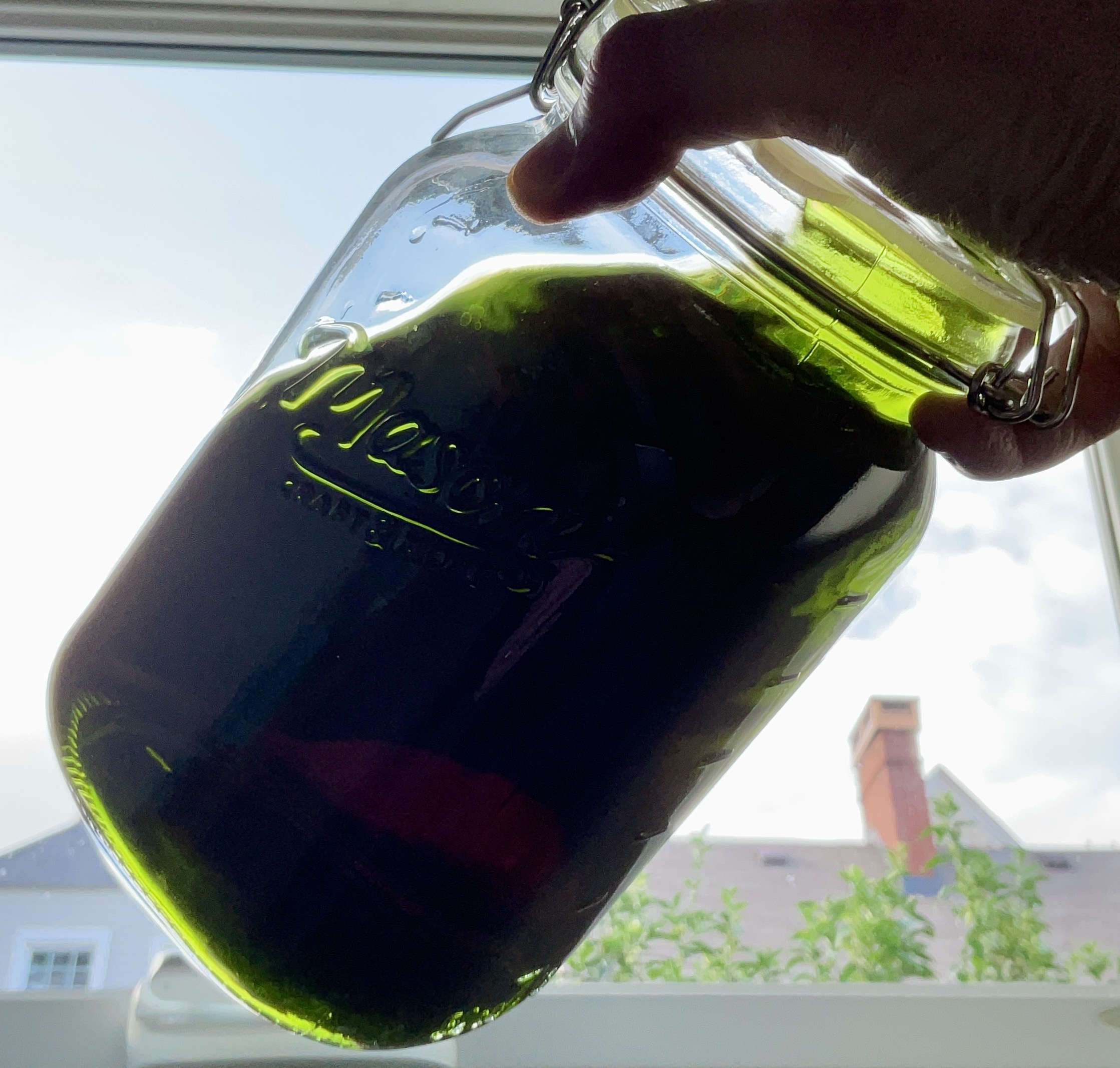
Day 3 – Filter tincture
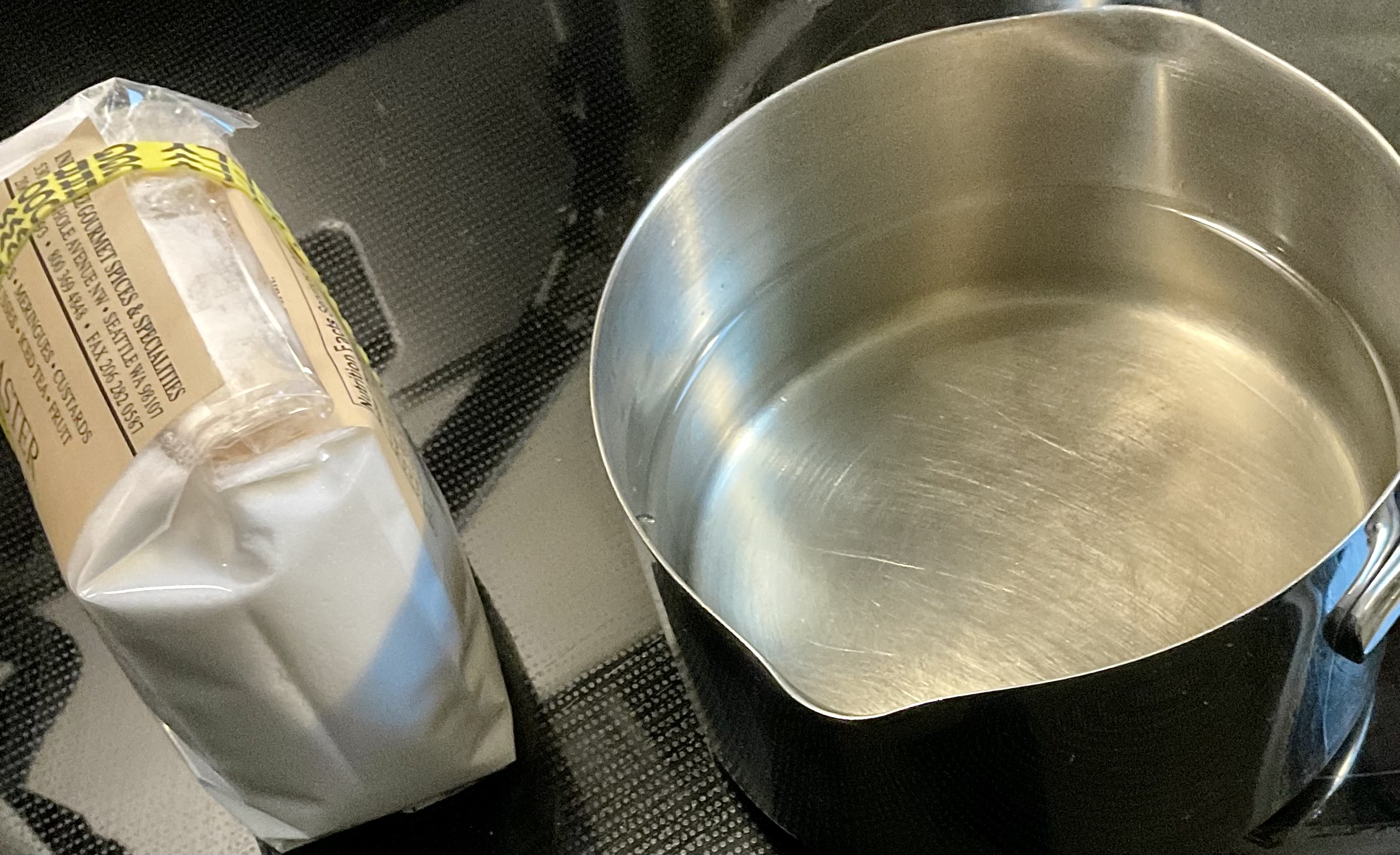
Simple syrup
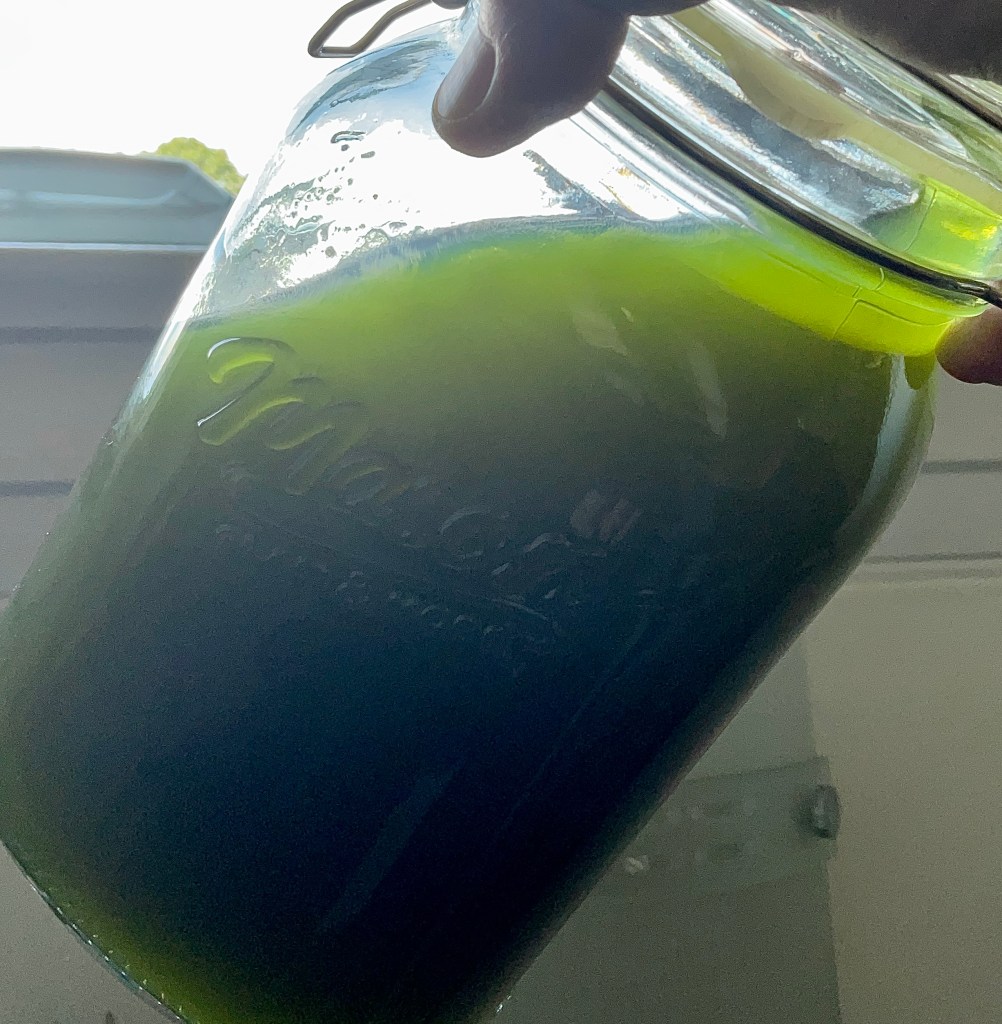
Cloudy Chartreuse after mixing simple syrup with tincture
Fining the Chartreuse
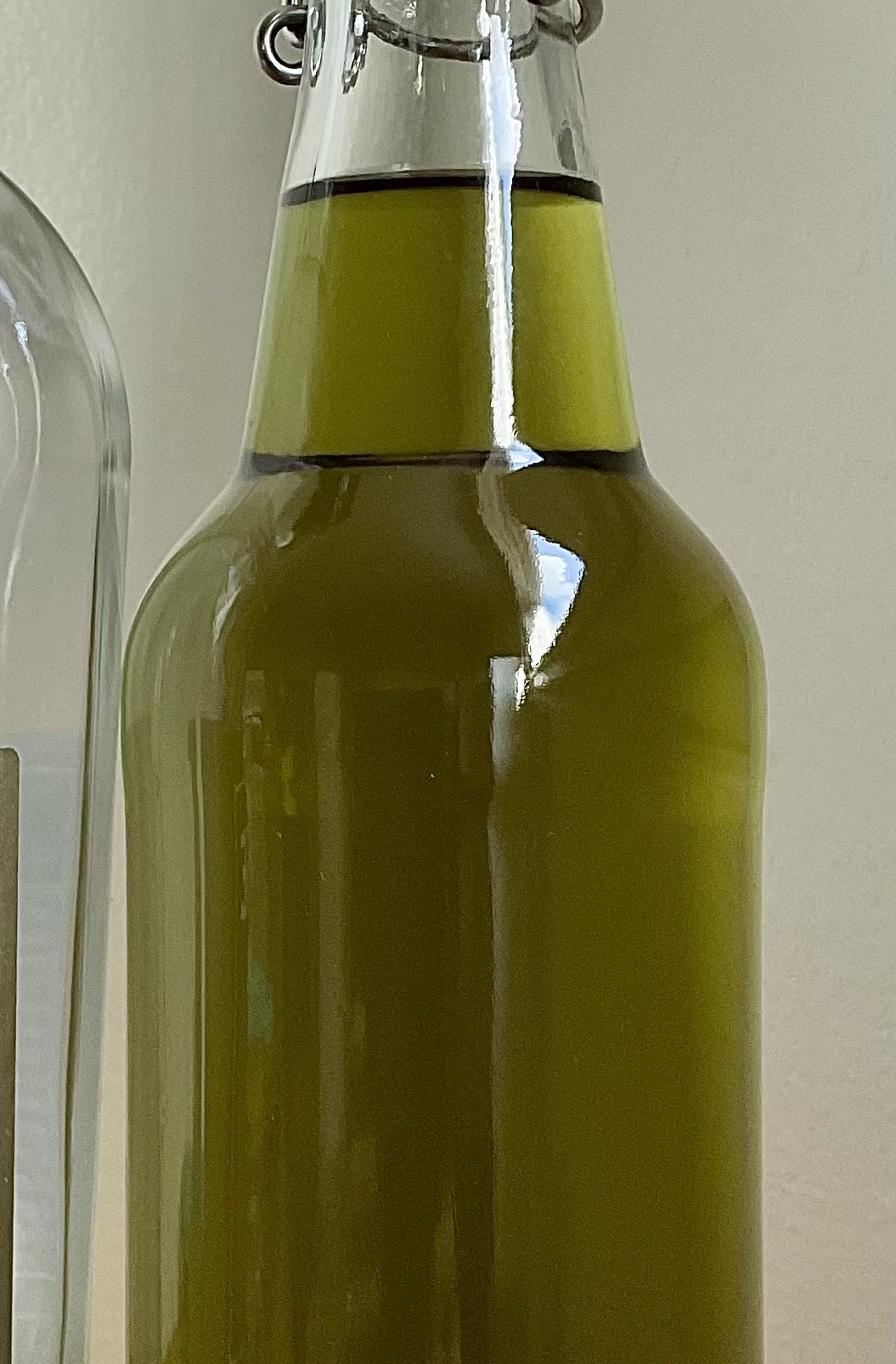
Rest the Chartreuse for 3-4 weeks before drinking
12 responses to “Green Chartreuse Recipe”
-
Pretty cool. How did you get your recipe? What’s the story behind it? Only two monks allegedly know it.
-
Thanks for your comment! I used the known ingredients (you can see them on this page, https://chartreusediy.com/chartreuse-amaro-ingredients/) and some likely possibilities. Also, lots of tries and failed attempts, I just persevered. Cheers!
-
-
Why is it important to rest the chartreuse for so long after filtering?
-
The flavor seems to mellow out after a while and it all comes together nicely. You can definitely use it right away but you’ll find with time that the taste changes. It’s probably due to oxidation. Hope that helps. Let me know how it turns out.
-
-
Thank you for sharing this. May i ask why the finalized product is darker than the commercial brew?
-
You’re welcome! It’s a bit darker because of the amount of herbs and roots I used but that can be easily adjusted. I would recommend to use 3/4 of my ratio. It will have a more subtle flavor which is fine too.
Cheers!
-
-
Thank you for this. I have always wondered if it is possible to run a chromatographic analysis on one of the purchased bottles. I believe this would provide a catalogue of volatile compounds and it would be up to the chemist to derive the exact formula. I think multiple batches would be created and one of them would be exact to the original. If completed, then the secret formula would be derived completely.
-
Thank for your comment. That’ll be fun to experiment with!
-
-
Really impressive! Do you have recommendations on where to get some of the more obscure herbs fresh? I’m making my own kinda-sorta-chartreuse, but had to use a lot of dried herbs, leading to a much less vivid color.
-
Thanks! I usually recommend any Health Food Store in your area to start with. If that’s not enough (it probably won’t be), I have found more obscure ingredients in different acupuncture and Chinese herbal medicine places. There’s always online retailers too if you prefer this route. Cheers!
-
-
Very interesting recipe – love to add this to my repertoire! Why only the white part of the Angelica root?
-
Thank you for your comment. I use only mainly the white part of the angelica root because it has a milder, cleaner flavor. The outer layer is darker, tougher, and significantly more bitter. Using just the white core keeps the taste aromatic and balanced rather than harsh. Hope that helps.
-


 Chartreuse & Amaro DIY
Leave a comment